Pack for a slower walk, not only a wet jacket
Rain changes more than your clothing. Paths become slippery, stops take longer, maps are harder to handle and a route that feels easy in dry weather may need more care. A good packing list helps you stay warm enough, keep essentials usable and make a safe decision if the forecast or conditions worsen.
Begin with the route and weather, not the contents of your cupboard. Check the forecast for the hills or area you will walk, the expected wind, temperature, rain timing and daylight. A town forecast may not represent an exposed ridge. Read local access notices and choose a route within your experience. If the expected conditions are beyond your skills or equipment, postpone or pick a lower, shorter route.
Write down the route, distance, ascent, start and finish points, and return transport if relevant. Mark places where you can shorten the walk. Share the plan with someone who is not going, including when you expect to return. This gives the kit a purpose: every item should support the route, the weather or a realistic contingency.
Build a layer system you can adjust
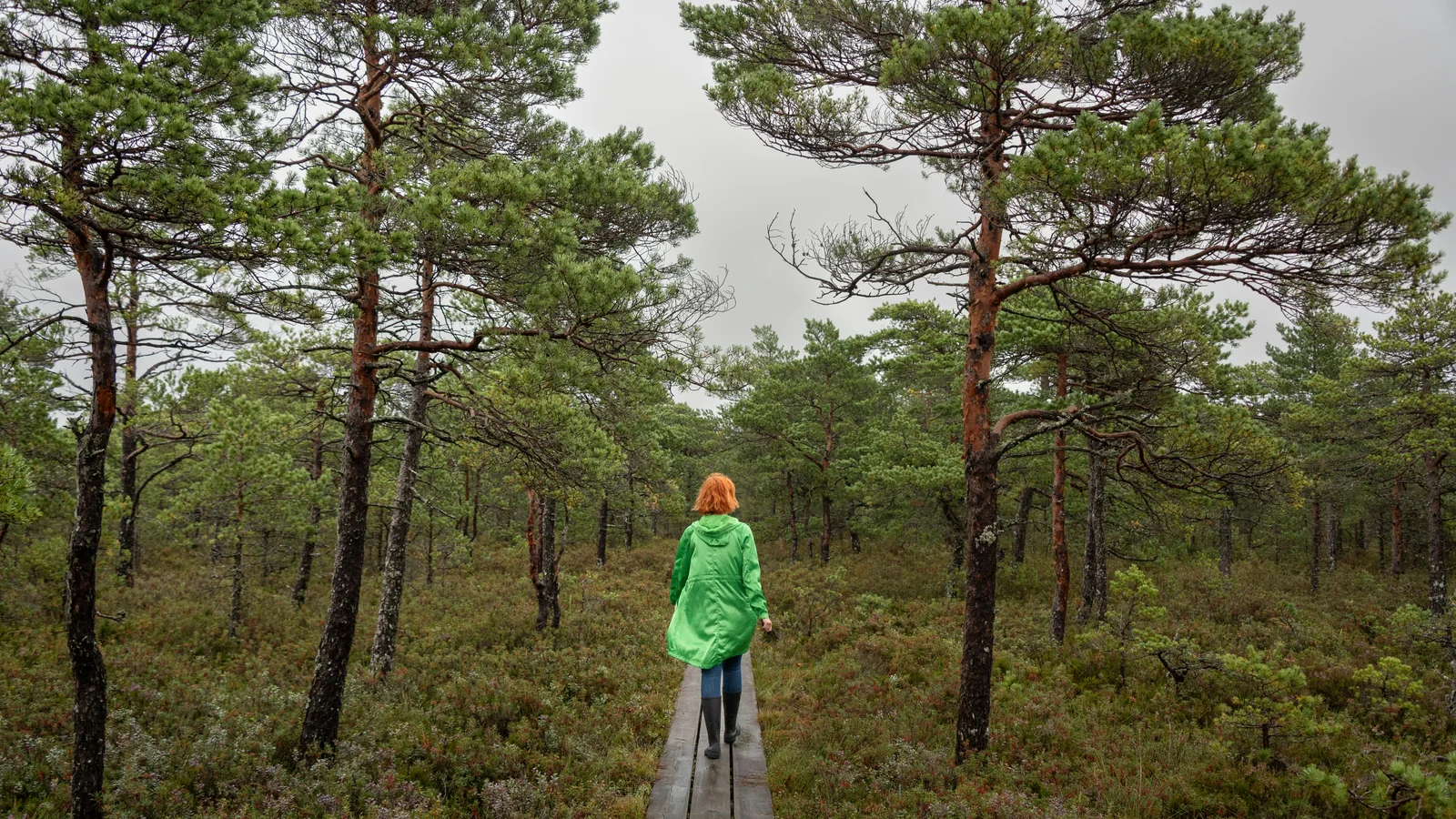
Wear a comfortable base layer that moves moisture away from the skin and does not restrict movement. Add a mid-layer for warmth that can be removed as your effort rises. Finish with a waterproof outer layer suited to the expected rain and wind. The exact garments depend on temperature, route and pace; a heavy coat can feel unpleasant during a steep climb, while a thin shell may not provide warmth when you stop.
Check the jacket’s hood, cuffs, zip and hem before leaving. Practise adjusting it with the pack on. A hood that blocks peripheral vision or falls across your face can make navigation and walking harder. Keep the zip accessible and avoid stuffing the pockets so full that you cannot close them.
Trousers need the same thought. Some walkers prefer quick-drying trousers with waterproof over-trousers in persistent rain; others use a water-resistant walking trouser for a short shower. Over-trousers can protect from wind and heavy rain, but they may be warm and awkward to remove. Try them at home with the boots you will wear.
Carry a spare warm layer in a dry bag. It is for a break, a slow section or an unexpected delay, not just a fashion option. A lightweight hat and gloves can matter on a cold, windy day, especially when you stop to read a map. Do not wait until your hands are too cold to operate zips or a phone.
Keep the essentials dry and reachable
A waterproof pack cover can help, but it may not protect against wind-driven rain, water entering around the back panel or a prolonged downpour. Put critical items inside separate waterproof bags or a pack liner. Keep the map, phone, first-aid supplies, spare layer and food dry even if the outer cover shifts.
Use simple colour-coded or clearly named dry bags if they help you find things quickly. One bag can hold spare clothing, another food and small essentials. Avoid packing so tightly that you cannot reach a warm layer when the weather changes. Put emergency items where you can retrieve them without emptying the whole pack.
Carry a small towel or cloth for wet hands and phone screens. A resealable bag can keep a wet item away from dry gloves. Keep used tissues, wrappers and wet wipes in a secure waste bag; do not leave rubbish along the route or bury it in the ground.
Waterproofing is not only about expensive equipment. Check zips, seams and closures before the walk. If an item claims water resistance, follow the maker’s instructions for care and reproofing. Do not assume a spray suitable for one material is appropriate for every jacket or boot.
Navigation still needs a backup
Rain can make a phone difficult to use and drain its battery faster, particularly in cold weather. Download an offline map or route before leaving, check that it opens in airplane mode and carry a power bank if your route requires a phone. Keep the phone in a waterproof pocket or pouch, but make sure you can still hear or feel safety alerts.
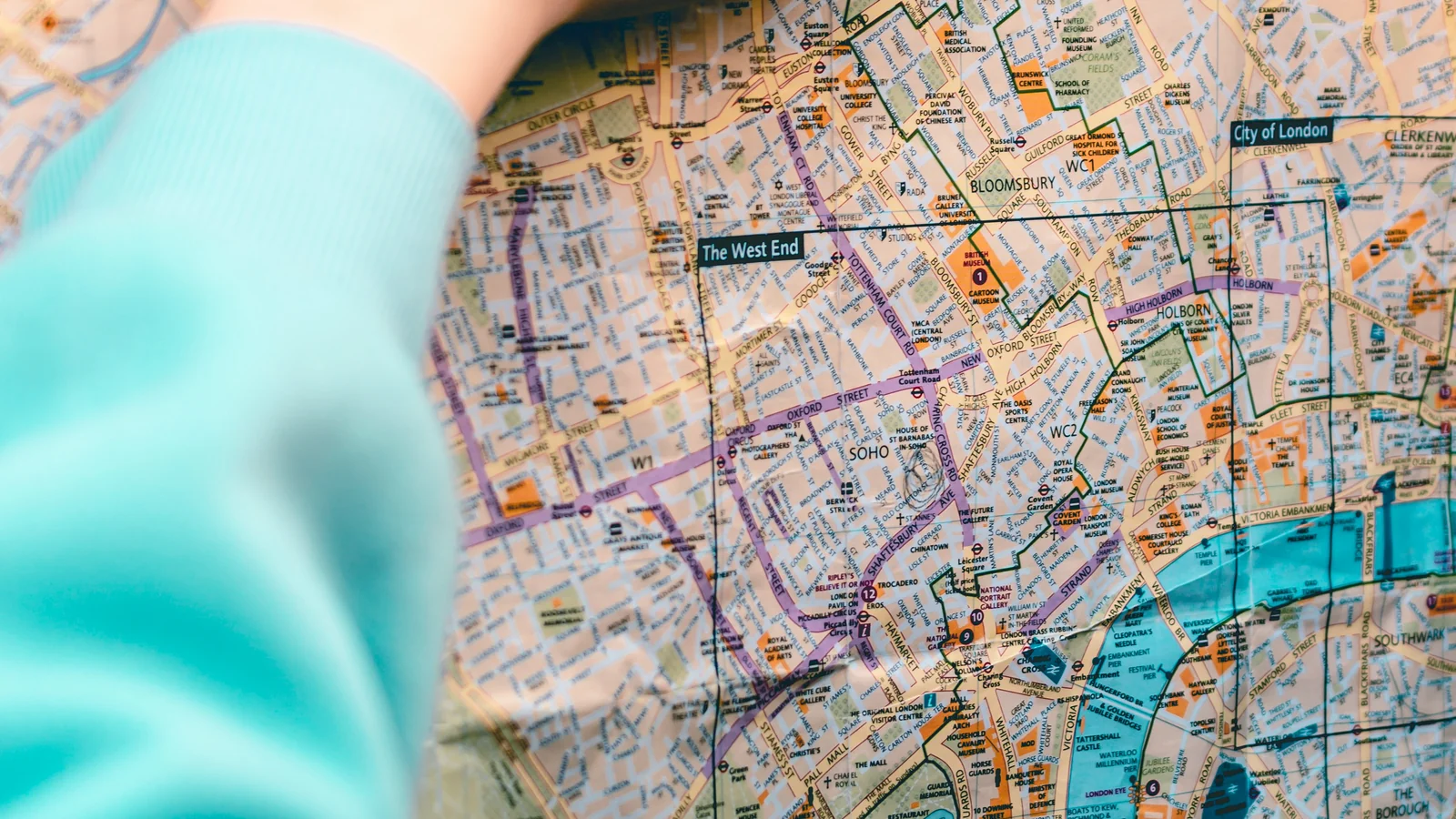
A paper map remains useful when a screen fails, but it needs protection from rain. A map case or waterproof sleeve can keep it readable. Learn the basics of orienting it before you are standing on a junction in poor visibility. A compass is only helpful if you know how to use it; carry it as part of a skill, not as a lucky charm.
Write down key details as well: grid references, route names, start and finish locations, transport information and an emergency contact. A note in the phone is not enough if the battery fails, so keep a small paper copy or another reliable backup. Check the map scale and route markings before setting out.
Bring food and water you can eat in the rain
Choose food that remains easy to handle when your hands are damp and cold. Put snacks in a pocket or top compartment so you can reach them without unpacking on a wet path. A sandwich in a sealed bag, fruit, nuts or a bar may be convenient, but consider allergies, dietary needs and what your group will actually eat.
Carry enough water for the route, weather and group. Cold rain can make thirst less obvious, but effort still requires fluids. A bottle that can be opened with cold hands may be easier than a complicated hydration system. Keep the drinking point accessible and use a separate waterproof bag for food that should stay dry.
Plan a sheltered place for a break, but do not rely on finding a café or picnic shelter along the route. Many paths have no facilities, and opening hours can change. Carry food that can be eaten without a long stop if the weather is unpleasant. Take all packaging home with you.
Choose footwear and small safety items
Wear walking shoes or boots that fit securely and suit the terrain. Waterproof footwear can help in wet grass, but water can still enter over the top, and membranes may feel warmer. A well-fitting non-waterproof shoe may dry more quickly in some situations. Choose based on route, temperature, fit and your experience rather than assuming one category is always best.
Check the sole condition and tread before the walk. Worn tread can feel slippery on wet stone, mud and roots. Gaiters may help keep water and debris out on rough or muddy paths, but they are not necessary for every day walk. If you use poles, practise with them before a steep or narrow section and ensure they do not interfere with other walkers.
Carry a small first-aid kit, any personal medication and a whistle. Know how you would contact emergency services and describe your location. A whistle can help signal for assistance, but it is not a substitute for route planning or a charged phone. Tailor the kit to the route and the people walking with you.
Leave non-essential gear at home
Rain can tempt people to carry extra clothing, gadgets and duplicate equipment. A heavy pack slows the group and can make a wet walk more tiring. Separate essential safety items from optional comfort items. Ask whether you will use each object, whether it protects against a realistic problem and whether you know how to use it.
Do not bring a camera if you are unlikely to protect it from water or if stopping to handle it makes the walk less comfortable. A phone may be enough for a few photographs. Avoid packing a large umbrella for an exposed route where wind makes it difficult to manage; it can block vision and occupy a hand needed for balance.
Pack the night before and test the arrangement at home. Put the waterproof layer on, open the pack while wearing it and find the map, food and spare gloves. If you cannot reach an item without taking everything out, change the order. A small rehearsal is easier than learning the system in a downpour.
Use a turnaround plan
Set a time, location or weather condition that means you will shorten or stop the walk. Agree as a group before starting. This avoids a difficult debate after someone is cold or the route is taking longer than planned. Check daylight and the last transport service, then leave a margin for slower progress.
Turn back if visibility falls, streams rise, a path becomes unsafe, someone becomes unwell or the weather exceeds your experience. Do not continue simply because you have already walked a certain distance. A safe return is part of the plan, not a failure.
If you become lost, stop and establish your location before moving again. Use the map, route notes and known landmarks. Avoid crossing unfamiliar ground to save time. If someone is injured or in immediate danger, contact the appropriate emergency service and follow their instructions.
Dry out and learn after the walk
When you get home, remove wet layers and dry them according to the maker’s instructions. Empty the pack and check pockets for food wrappers, damp gloves and maps. Dry boots at room temperature away from direct heat, and clean mud from the sole and upper. Let waterproof layers dry fully before storing them.
Make a short note about what worked. Did the pack cover stay in place? Could you find the map? Did you need another warm layer or less food? This information helps you adjust the kit without buying a whole new set of equipment.
A rainy day hike can still be enjoyable when the route, clothing and turnaround plan match the conditions. Carry layers, dry storage, reliable navigation, food and water, then keep the pack simple. Check the forecast again, respect local access information and be willing to change the plan. The most useful item is the judgment to turn back when the day stops being safe.