Choose the landscape that matches your energy
A restorative walk is not always the most dramatic route. The coast offers open horizons, salt air and changing weather, while the countryside may offer shelter, quiet lanes and a steadier rhythm. Both can be enjoyable, and both can become tiring when the route does not match the day you are having.
Start with the kind of rest you need. If your mind feels crowded, a long view and a simple path may help. If you feel physically tired, a sheltered route with frequent places to pause may be kinder. If you want to notice detail, woodland, hedgerows and village edges may offer more small changes than an exposed cliff path.
Do not treat outdoor wellbeing as a promise or a cure. A walk can support a change of pace, but it cannot replace professional help or solve every difficulty. Choose a route that is safe and manageable, then let the benefit come from being outside rather than from meeting a target.
What a coastal walk gives you
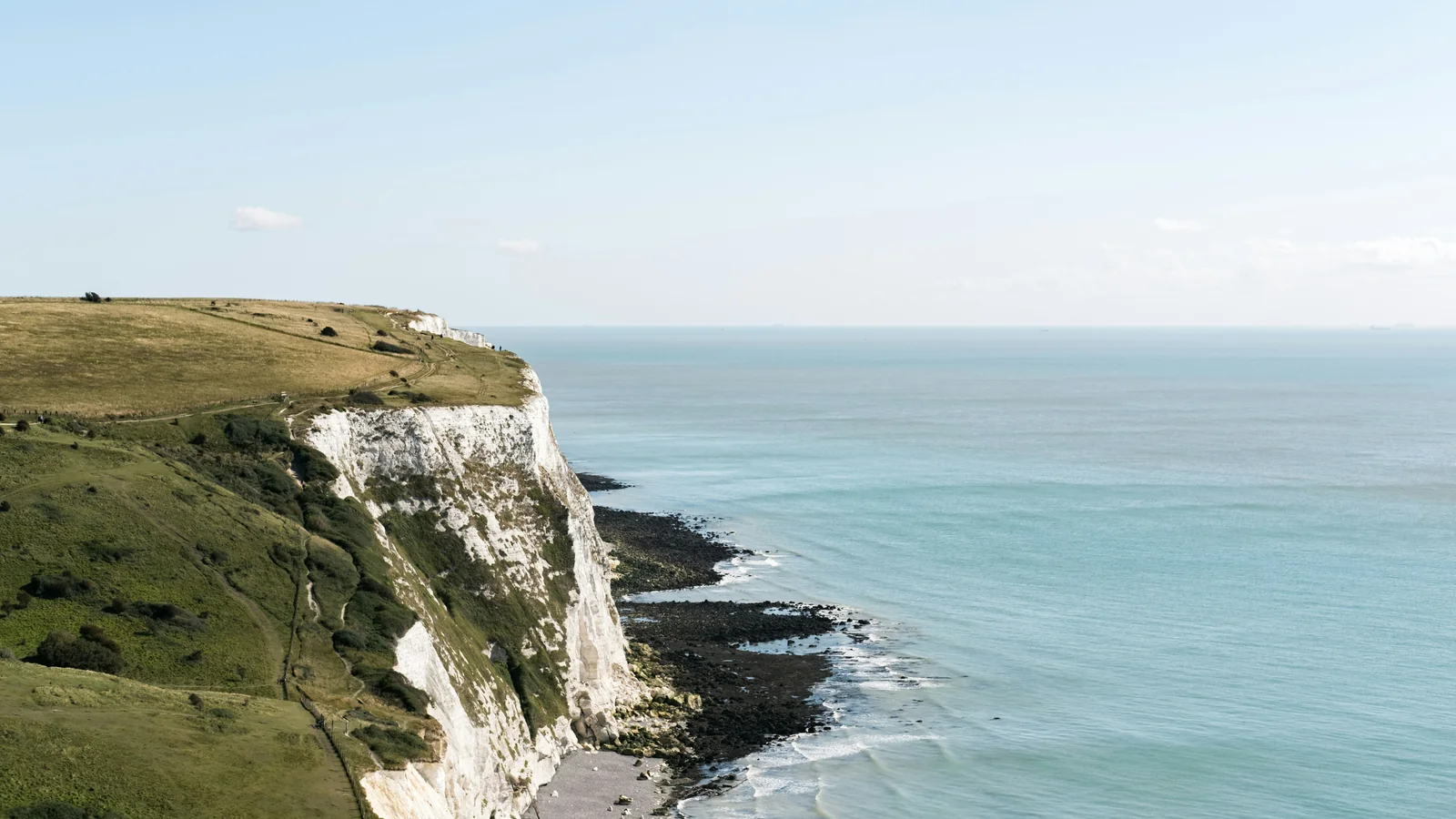
Coastal routes often create a strong sense of space. The horizon is visible, the sound of the sea changes with the weather and the path may move between cliffs, beaches, dunes and harbours. That variety can make a short walk feel substantial. It can also make the route more exposed to wind, rain, sun and slippery ground.
Check the specific coast rather than imagining a single condition. A sheltered estuary is different from a cliff-top path. A beach may be easy at one tide and difficult at another. A sea wall may be flat but have little escape from wind. Read local access information, check tide times where relevant and avoid treating a clear photograph as a current safety assessment.
Coastal navigation can be simple when the sea remains on one side, but paths may split around fields, coves and headlands. A route can also feel longer because there are few shortcuts. Carry a map or offline route and note where roads, stations or villages provide a way to shorten the day.
What a countryside walk gives you
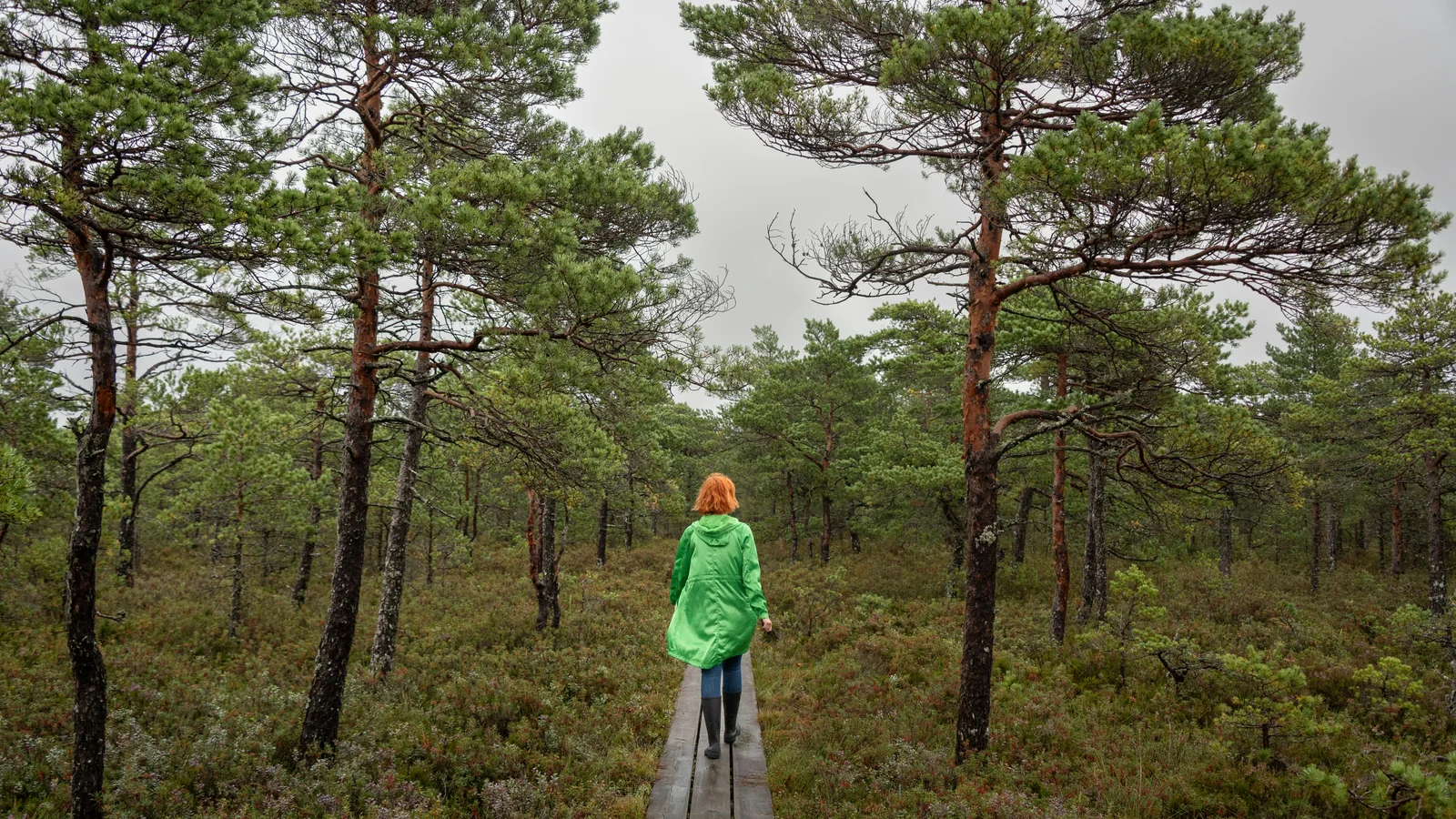
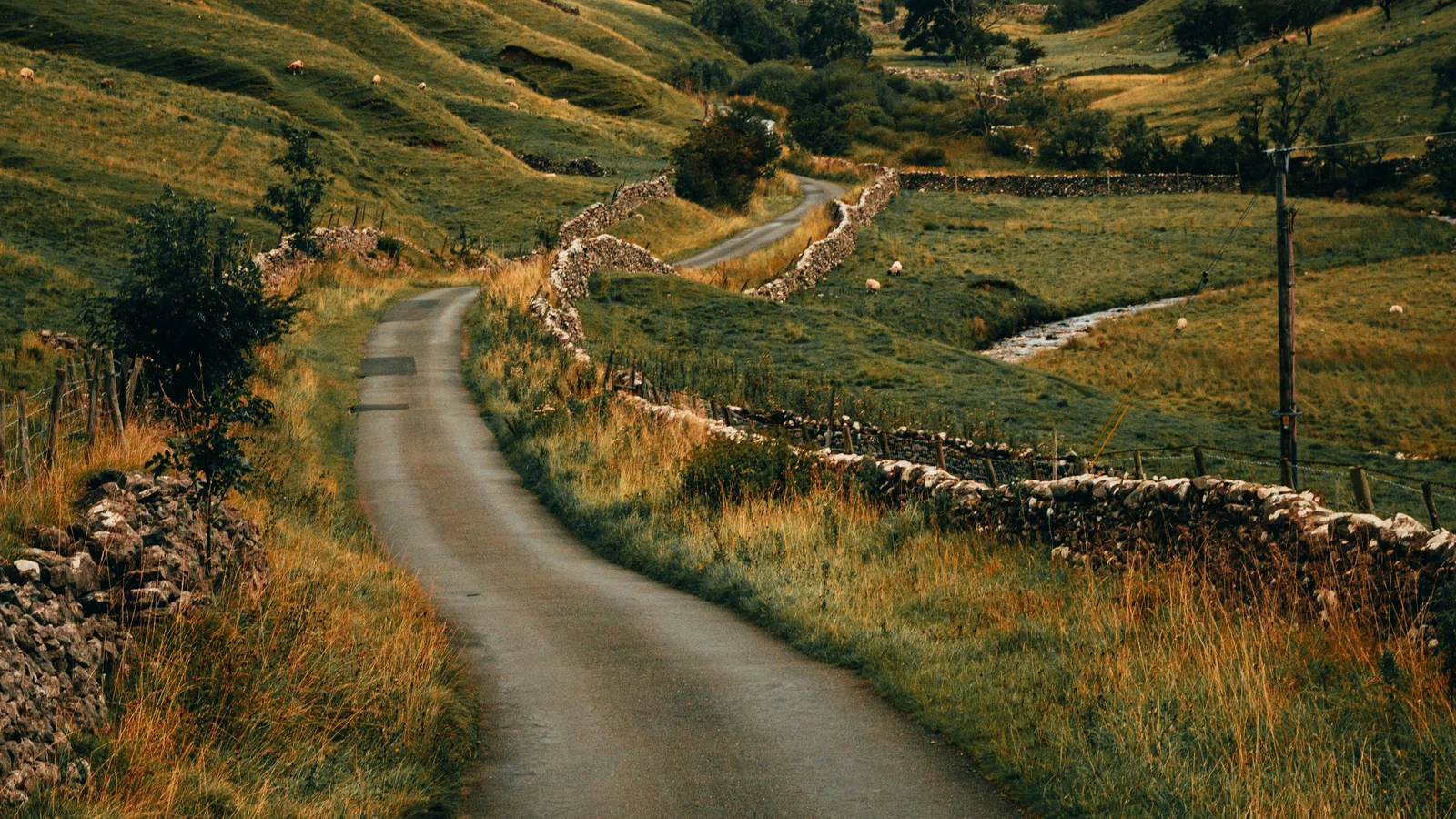
Countryside routes can offer shelter from wind, shade in bright weather and more frequent changes of pace. A lane, woodland path, riverbank or field edge may give you places to pause without feeling exposed. The landscape can be quieter in a way that suits people who want a gentle day rather than a dramatic view.
The countryside has its own limits. Paths can become muddy, stiles may be difficult for some walkers and livestock can change the experience. A route that looks gentle may include steep steps, uneven ground or a long section without a clear landmark. Check the surface, access and current conditions before setting out.
Navigation may require more attention because hedges, woodland and tracks can hide the wider direction. A paper map or offline route is useful, especially when paths cross near farms or villages. If the route is not clearly marked, choose a shorter loop or a path with obvious landmarks for your first visit.
Compare exposure and weather
Weather affects the coast quickly. Wind can make a mild forecast feel cold, and rain can reduce visibility on a cliff path. A waterproof layer, warm layer and secure footwear may be more important than the distance. If the forecast is unsettled, choose a coastal route with shelter, an easy return or a nearby town rather than a long exposed section.
Countryside paths can hold water and mud after rain. Good waterproof shoes may help, but no footwear makes deep mud effortless. A walking pole can provide confidence on slippery ground if you already know how to use it. Check the forecast for the actual area and look at recent local information when a route is known to flood.
Bright weather brings a different risk. The coast can have little shade, while open fields may feel hotter than expected. Carry water, protect your skin and plan a pause away from the strongest sun. A woodland route may be more comfortable if the day is warm and your main aim is to slow down.
Compare pace and places to pause
A restorative walk needs a pace that leaves room for noticing the landscape. Coastal viewpoints can encourage long pauses, but a cliff edge is not a suitable place to stand carelessly or turn your back on the weather. Choose a safe viewpoint, then keep moving when the path narrows or the ground becomes uncertain.
Countryside routes may offer benches, walls, village greens or sheltered gates. These can make a day easier for mixed groups, people recovering energy or anyone who needs regular breaks. Do not assume every bench is available or every village has an open café. Carry enough food and water for the route you choose.
Use time rather than speed as your measure. If the group takes photographs, stops to read a map or waits for a slower walker, the route needs that space. A shorter walk with generous pauses may feel more restorative than a longer route completed under pressure.
Compare transport and escape points
The most restorative route is often the one that is easy to reach and easy to leave. A coastal path near a railway station or bus stop may be convenient, but check the last service and the walk between the stop and the trail. A countryside walk may start from a village with limited transport, so a missed connection can create a long wait.
Mark possible exit points before setting out. Roads, stations, villages and public paths can shorten a route if weather or energy changes. On the coast, a headland may have no simple shortcut until the next cove. In the countryside, a loop may cross private land or a path that becomes difficult after rain. A map helps you see these boundaries.
If you are walking with someone who has mobility, health or confidence concerns, discuss the exit plan. Knowing that you can turn back or take a shorter path may make the walk feel calmer. It also reduces the pressure to continue when a route stops being enjoyable.
Which route suits different days?
Choose a coastal walk when you want a wide horizon, changing scenery and a clear sense of place, and when the weather and exposure are manageable. Look for a route with safe viewpoints, reliable navigation and a realistic return. A shorter estuary or harbour route may offer the coastal feeling without the demands of a cliff path.
Choose a countryside walk when you want shelter, a steadier surface or more frequent places to pause. A woodland or river route may be a better option on a windy day or when the group wants a gentle conversation. Check mud, stiles and livestock information, and choose a length that leaves time for breaks.
Choose neither simply because it is the famous option. If the forecast is poor, a local park or short village loop may be the sensible restorative day. The landscape does not need to be dramatic to give you a change of rhythm.
Prepare for a day that can change
Carry a map, phone, water, food, a waterproof layer and a small first-aid kit. Wear shoes that suit the ground and take a warm layer even when the start feels mild. Keep the phone charged, save the return route and tell someone where you are going when appropriate.
Before leaving, check weather, tide or access notices relevant to the route. Do not rely on a single source or an old social-media post. If an official notice closes a path, respect it and choose a different walk. A detour can be part of the day, but a blocked or unsafe path is not a challenge to solve by improvising across private land.
Agree on a turnaround time and watch the group, not only the map. If someone is cold, tired, injured or anxious, shorten the walk. The best memory of a restorative day is not reaching the furthest point; it is returning with enough energy to enjoy the journey home.
Let the day stay unhurried
Take photographs because you notice something, not because the route requires proof. Stop to look at the tide, a hedge, a bird, a gate or the light on the path. Leave the phone in a pocket for part of the walk if that helps you attend to the surroundings.
At the end, write down what made the route feel good and what created friction. Was it the view, the shelter, the transport, the distance or the ability to stop? These notes will guide the next choice better than a star rating. A quiet walk that suits your energy is worth repeating.
Coastal and countryside walks offer different kinds of rest. Compare exposure, weather, navigation, access, surface and the places where you can pause. Choose the route that fits the day you have, prepare for change and keep the option to turn back. Rest comes from a manageable experience, not from proving that one landscape is better than the other.