Start with the shape of the weekend
A weekend city break becomes tiring when every hour is booked before you have arrived. The most useful plan gives the trip a shape without turning it into a test of efficiency. Decide what kind of weekend you want first: a food-led visit, a museum trip, a walk through unfamiliar streets, a concert, or a quiet change of scene.
Write down one sentence that describes a good outcome. “We come home having seen one exhibition and eaten well” creates a different plan from “we see every major attraction”. This sentence helps you say no to activities that are interesting but do not fit the time, budget or energy you have.
Check the real arrival and departure times. A cheap ticket that reaches the city late may reduce the first evening to a search for the hotel, while a late return can make the last day feel rushed. Include the journey between the station, accommodation and first activity. A city break begins when you leave home, not when the hotel check-in starts.
Pick a base that reduces transfers
Choose accommodation near the area you expect to use most, or near a transport connection that makes the rest of the city simple. A cheaper room far from the centre can cost more in time, tickets and tiredness. Look at the route at the time you will actually travel, including the walk from the station and any changes.
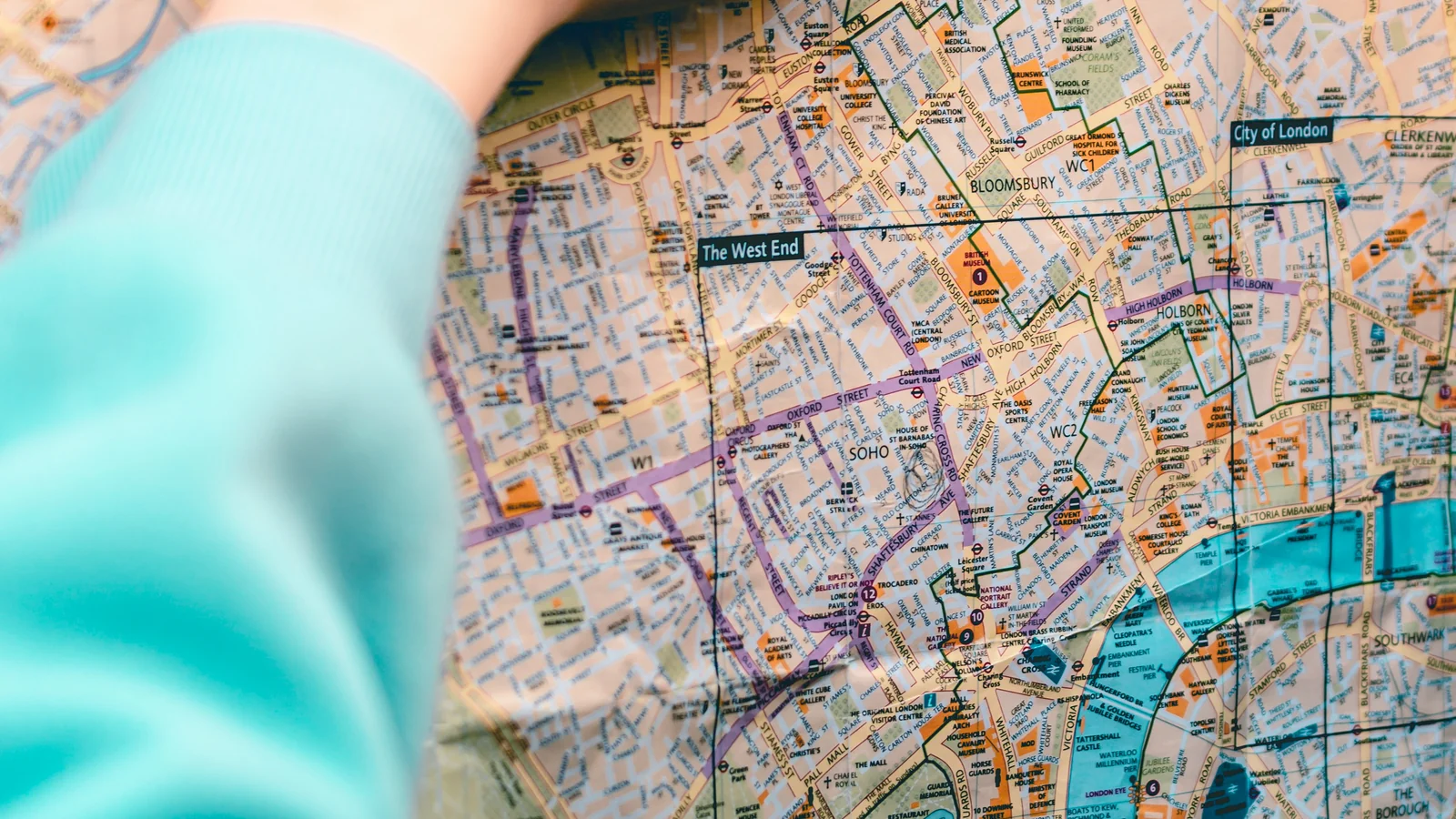
A walkable base does not need to be in the busiest district. A quieter neighbourhood with a reliable tram, underground or bus route may be easier than a central street with noise and complicated crossings. Check the last practical route home if you plan an evening out. Do not rely on a map that shows a line but not the service frequency or interchange.
When comparing accommodation, look beyond the room photograph. Check check-in times, luggage storage, breakfast arrangements, cancellation terms and whether the address is clear. If you arrive before check-in, know where your bags can go and whether you can start the day without returning across the city.
Choose one anchor booking
One anchor activity gives the weekend a centre without filling the schedule. It could be a gallery entry, theatre performance, guided walk, restaurant reservation or match. Choose an event with a time you can reach comfortably and leave a buffer around it. A booking at noon on the first day may be difficult if your train is often delayed.
Keep the rest of the day flexible. Add nearby possibilities rather than a fixed route of five venues. If the anchor takes longer than expected or the weather changes, you can choose a close alternative without losing the point of the day. Save the address, opening hours and booking details somewhere you can reach offline.
Book only what the trip genuinely depends on. A restaurant reservation can be useful when a group has specific needs, but three fixed meals can make the weekend feel like a timetable. Leave one meal open for a market, café or place you discover while walking.
Plan by neighbourhood, not by a list
Put related places together on the same day. A museum, bookshop and café in one area make more sense than crossing a city for each item. Use a map to check distances, but remember that a short distance can take time when roads are busy, a river needs crossing or a venue has a long queue.
Choose one main area for the morning and one for the afternoon. If the city is large, use transport once between them rather than zigzagging. If it is compact, walk and leave time for detours. A short list of places near the route gives you options without forcing every stop.
Think about the moments between attractions. A bench, quiet square, public library or café can give the day a pause. These spaces are not wasted time. They make it easier to notice the city and decide what you want to do next.
Make the first evening easy
Arrival days often include travel fatigue, delays and the effort of finding a new place. Choose an easy first meal near the accommodation or on the route from the station. A casual option that does not require a long wait can be better than the restaurant you would choose for a celebration.
Keep the first evening’s plan small. A short walk, a drink or an early night may be enough. If you arrive in time for a bigger activity, make sure you know the route and have a backup if transport is delayed. Carrying luggage across unfamiliar streets can turn a simple plan into a stressful one.
Settle practical details early: where the nearest shop is, how the room heating works, where breakfast is served and how to leave the building. These small checks prevent avoidable decisions the next morning.
Leave room for food and rest
Travel days make people hungry at different times. Carry a small snack and water if the journey is long. A planned lunch can be helpful, but do not assume every venue offers a quick table. Check whether your anchor activity allows food and drink, and identify one nearby option that can handle a change of plan.
Rest is part of the itinerary. A quiet hour at the accommodation, a slow coffee or a short return before the evening can make the second half of the day more enjoyable. If everyone in the group has the same energy, you may prefer to continue; if not, agree that a pause is allowed without being treated as a failed plan.
Avoid choosing every meal for its reputation. A well-reviewed venue can still be wrong for the time, budget or dietary needs of your group. Look at menus and booking details in advance, then let one meal be a discovery.
Prepare for weather without overpacking
Check the forecast shortly before leaving and pack for conditions rather than an imagined outfit. A light waterproof layer, comfortable walking shoes and a small bag can protect the day without turning it into an expedition. If the forecast is uncertain, choose layers that can be removed indoors.
Keep tickets, maps, medication, chargers and an emergency contact available. Download key information if your connection may be unreliable. A portable battery can help, but it also needs charging and adds weight. Use the devices you already own before buying a special travel kit.
Pack a small amount of flexibility. A folded tote can carry food or an extra layer; a resealable bag can protect a phone in rain. Avoid carrying objects you will not use. The easiest bag is the one you can carry comfortably from the station to the accommodation and through a full day.
Build a calm route home
Check the return service before the last day, including the time needed to collect luggage and reach the station. If the route has a final connection, leave a buffer rather than planning to arrive just before departure. A small delay can become a missed train when you are crossing a busy city.
Do not place the final attraction on the far side of town unless you have a clear plan for bags and transport. A morning walk near the accommodation can be more enjoyable than a rushed final visit. Keep one simple option near the station or route home in case the weather turns or the group is tired.
Save the booking reference and service information offline. Recheck official transport updates on the day, because weekend engineering works, strikes and delays can change the route. If a service is disrupted, choose the next safe option rather than trying to preserve the original itinerary at any cost.
Make decisions easier for the group
Agree on the non-negotiables before departure: one activity, one meal, a budget limit, an accessibility need or a time to return. Once those are clear, smaller choices become easier. A group can spend more energy debating breakfast than enjoying the city when every decision is left open.
Use a shared note with the address, booking time, contact details and a short list of alternatives. Do not create a detailed spreadsheet for a weekend that does not need one. Everyone should know the main plan and how to find it without asking the organiser for every detail.
Respect different energy levels. Someone may want an early start while another person needs a slower morning. A flexible plan can split the group for an hour and bring everyone back together at the anchor activity or meal. The weekend is shared, but every minute does not have to be identical.
Review the plan before leaving
The day before departure, check the first transport, accommodation instructions, anchor booking and forecast. Remove anything that now looks difficult or unnecessary. Keep one or two alternatives, not a second full itinerary. A short list is easier to use when you are standing on a platform.
Ask whether the plan still matches the sentence you wrote at the start. If the point was a slower weekend, a list of distant attractions is a warning. If the point was food, check that the neighbourhood and meal times support it. Change the plan while it is still easy.
A low-stress city break leaves enough room to notice where you are. Choose a manageable base, one anchor, nearby options and a calm route home. Pack for the actual weather, keep the first evening simple and treat rest as part of the experience. The best plan is not the one with the most entries; it is the one that helps you return with a few clear memories and enough energy to enjoy them.