The shelf looks tidy until you use it
Open shelves promise quick access and a lighter-looking wall. Closed cupboards hide everyday clutter and protect what is inside. In a small home, both can be useful and both can become a problem. The better choice depends on what you store, how often you reach for it and how much attention you want to give the arrangement.
Before choosing a style, list the objects that need a home in the room. Separate daily items from occasional ones. Books you are reading, favourite ceramics and frequently used mugs may benefit from being visible. Cables, paperwork, spare cleaning cloths and items in mixed packaging may be easier behind a door. The same room can use both approaches; the decision does not have to be all open or all closed.
Measure the wall, the items and the route around them. A shelf can fit within the available width but still block a door, switch or radiator. A cupboard can have the right footprint but need more space to open than the room offers. Include the way you stand, reach and move past the storage, not only its closed dimensions.
What should be visible?
Open shelving works well for objects you reach for often and are happy to see. A row of books, a small set of dishes or a few storage baskets can make a wall feel personal and easy to use. Visibility also helps you notice when something is missing or out of place. If you enjoy arranging objects, shelves give you a flexible display that can change with the season.
That visibility comes with a cost: everything competes for attention. Packaging, unrelated colours and half-finished piles can make a compact room feel busy. If you choose open shelves, group related objects and leave some gaps. Use boxes or baskets for small items that need to stay accessible without creating a visual jumble. The container should be easy to pull down and return, not so heavy or overfilled that it becomes an obstacle.
Closed storage is useful for the categories you want to keep nearby but do not want to see all day. It can hide chargers, household supplies, files and spare linens. A cupboard also protects objects from light, dust and accidental knocks. This can make a room feel calmer, particularly when several people share it or when the same space is used for work and rest.
However, a closed door can conceal a growing collection. If you cannot see the contents, you may buy something you already own or forget that an item is there. Use shelves, dividers or simple labels inside the cupboard if they make retrieval easier. The aim is not to build a complex organising system; it is to keep the useful items findable.
Compare access with maintenance
Open shelves make common objects easy to reach. A mug or book can be picked up without opening a door, and returning it is straightforward when the shelf is at a comfortable height. This is particularly helpful in kitchens or work areas where quick access matters. Keep frequently used items between waist and eye level, and reserve high shelves for light objects you use less often.
Closed storage adds an action each time you retrieve something. One cupboard door is not a serious burden, but repeated opening can be inconvenient when your hands are full or when children need access to everyday items. Soft-close hinges, sliding doors or drawers may change the experience, although they introduce their own hardware and maintenance. Try the door swing before buying, especially in a narrow hallway.
Dust is another practical difference. Items left on open shelves need more frequent wiping, especially near a cooker, fireplace, busy road or pet. A cupboard reduces dust on the contents but still needs occasional cleaning inside. If cleaning time is limited, keep open shelves for objects that are easy to wipe and store fragile or hard-to-clean items behind doors.
Open shelves can also be difficult for small objects. A loose collection of batteries, stationery or craft supplies may spill or become hard to scan. Put those categories into a shallow tray or box. Closed drawers can contain small items neatly, but only if the contents are divided enough to avoid one large mixed pile.
How each option changes a small room
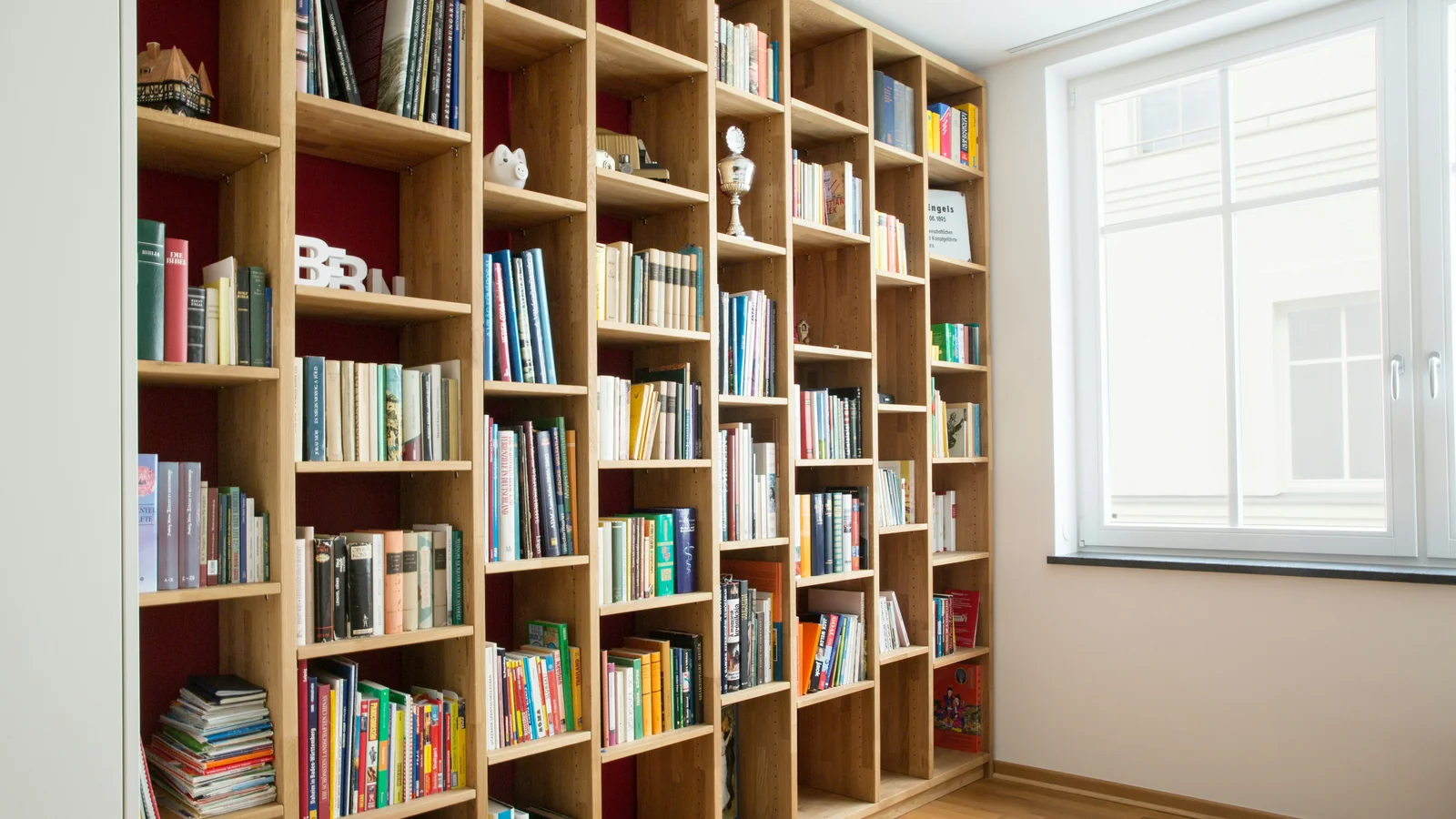
Open shelves allow the wall behind them to remain visible between objects. This can make a narrow room feel less solid than a full-height cupboard, but only when the shelf is not packed edge to edge. A tall, densely filled bookcase may appear just as heavy as closed furniture. The useful visual effect comes from the amount of wall and floor that remains visible, not from the absence of a door alone.
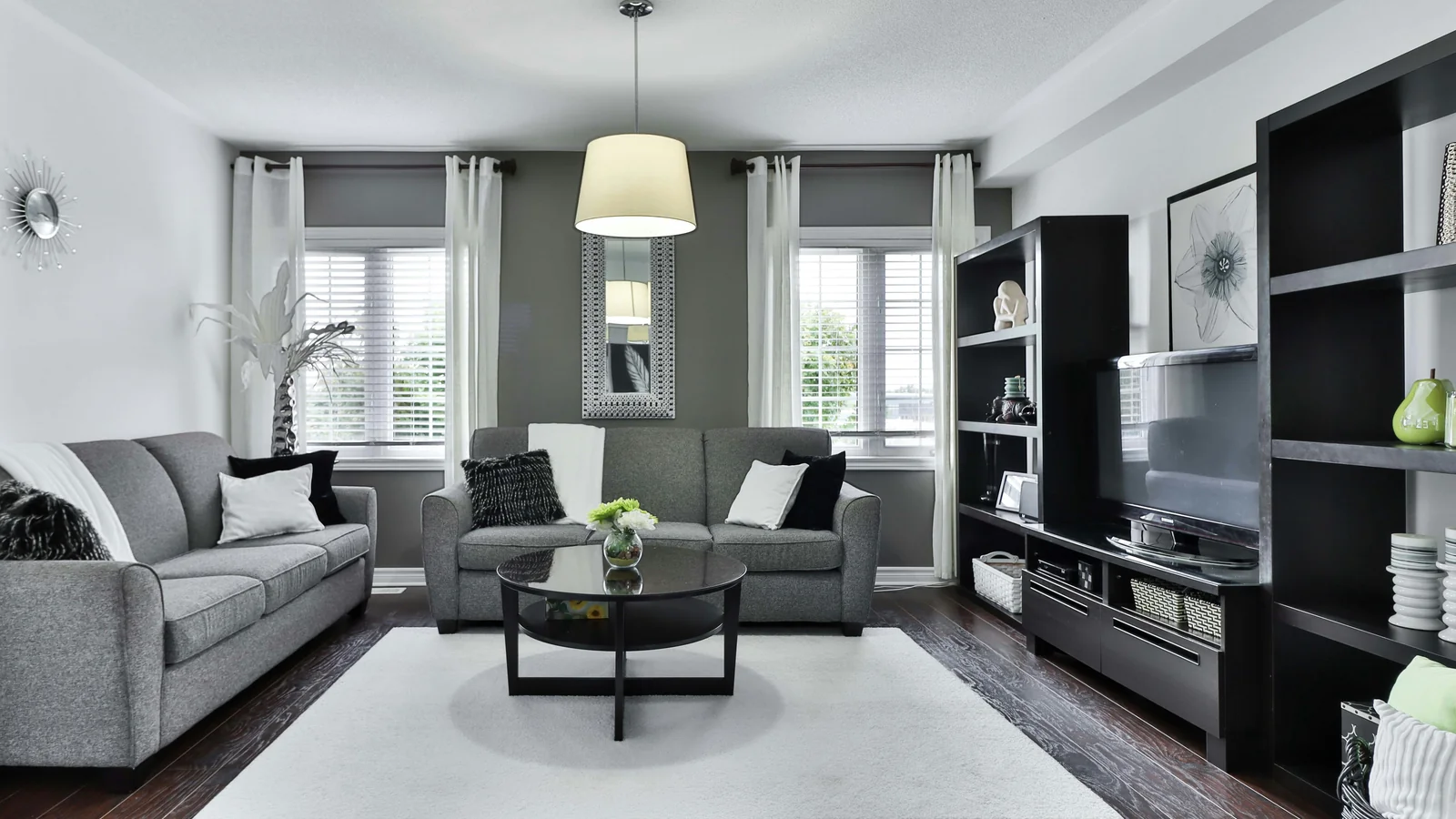
Closed cabinets create a continuous surface and can make varied objects disappear from view. A low cupboard may also double as a sideboard or work surface. Yet a deep cabinet can take away a considerable amount of floor space, and a dark, tall unit may dominate a small room. Measure its depth and door movement, then compare the appearance with a lighter or lower option.
Colour and material matter. A cupboard that matches the wall can recede visually; open shelves in a contrasting finish can become a deliberate feature. A pale shelf may still look busy when covered in dark objects, while a darker shelf can frame a few bright books or ceramics. Use what works with the furniture you already have instead of treating storage as a reason to redecorate the entire room.
Choose for the category, not the room
Books are often suitable for open shelves because they are easy to identify and use. If you have many books, check the shelf’s load rating and anchor the unit properly. Heavy rows should not be placed on an unsupported shelf or a high ledge. If a book collection is rarely used, closed storage may keep the room calmer, though you may need labels or a catalogue to find titles later.
Kitchen items can benefit from open access when they are used daily and cleaned often. But cooking residue, steam and grease may make open storage harder to maintain near a hob. Keep food and utensils in appropriate conditions and follow product care guidance. Closed units can protect them, while open shelves can serve as a small landing area for pieces you genuinely use.
Paperwork and cables usually need more containment. Open shelves can make current work visible, but loose papers and mixed cords quickly spread. A file box or drawer keeps them together. If you work from home, leave one open tray for active documents and put completed papers away. This preserves access without turning a whole shelf into a permanent inbox.
Decorative objects can be displayed on open shelves, but use fewer than you think you need. A small number of pieces with a relationship to one another can be more satisfying than every souvenir being on view. Rotate objects rather than filling every shelf. If an object is fragile or sentimental, a cabinet may protect it from children, pets or passing knocks.
Use a hybrid wall without making it complicated
A practical arrangement often uses one open section and one closed section. Everyday books and a few objects can stay visible, while loose supplies and items with mixed packaging go behind doors. Baskets on open shelves can bridge the two styles, but choose them by the things they contain. A basket should be easy to lift and should not become an unlabelled place where anything disappears.
Put the most-used objects closest to where they are used. A reading chair benefits from a small shelf for a current book and a lamp; a desk may need closed drawers for cables and papers. In a kitchen, a shelf near the preparation area could hold frequently used bowls, while less-used equipment stays in a cupboard. The room’s routine should determine the layout.
Avoid placing storage in a route simply because a wall looks empty. Check that cupboard doors can open without hitting another object and that shelves do not narrow a passage. For wall-mounted shelves, confirm the wall type, fixings and expected load. If you are renting or unsure about the construction, use a suitable freestanding alternative or ask the responsible person before drilling.
Make the choice with a short test
Before buying new furniture, use a table, bookcase or boxes you already own to test the arrangement. Cover part of an open shelf with a cloth or temporary screen to simulate closed storage. Put the items you expect to store in place and use the room for a week. Notice how often you reach for each category, whether visible objects stay orderly and whether the floor feels more open.
Write down the friction. If dusting is the main issue, moving the shelf away from the kitchen or choosing a door may help. If you keep forgetting what is in the cupboard, open shelves or transparent containers may be better. If the room feels crowded, changing the height or depth of the furniture might matter more than changing its door style.
When you shop, compare total capacity, depth, shelf adjustability, door movement, cleaning and installation. Check the actual dimensions rather than relying on a staged photograph. A storage unit designed for a large living room may be too deep for a narrow flat even if its width looks modest.
A useful rule for deciding
Choose open shelving for a small number of attractive or frequently used things that you are willing to maintain. Choose closed storage for visual clutter, fragile items, supplies or categories that benefit from protection. Use both when one wall needs to serve different purposes, and leave enough room for access and circulation.
Neither choice creates space by itself. Editing what you keep, measuring carefully and putting objects near their point of use often matter more than the furniture style. Let a week of ordinary use decide: if visibility saves time and the shelves remain manageable, keep them open. If the room feels calmer and your things are still easy to find behind a door, closed storage is doing its job.