Start by finding what feels cold
An old flat can feel chilly even when the heating is on. A cold window surface, a gap under a door, a poorly fitting sash or a draught from an unused fireplace can all make a room uncomfortable. They are not the same problem. A cold wall may feel unpleasant without air moving through it, while a small gap can create a distinct current that changes when the wind picks up.
Spend a few minutes in the room at the time you notice the discomfort. Sit where you normally sit and identify whether the cold sensation comes from one direction, from below, or from a broad surface such as a window. Do not use a flame to test for air movement. Instead, hold a light strip of tissue near the suspected gap and watch for gentle movement. Keep it away from hot surfaces and moving parts.
Write down the location and conditions. Does the problem appear only when it is windy? Does it stop when a door closes? Is the window difficult to latch? Does condensation appear on the same surface? These clues help separate a maintenance issue from a ventilation feature or a cold surface. If a room has persistent damp, mould, a musty smell or a combustion appliance, treat that as a separate concern and seek appropriate advice before sealing gaps.
Map the openings before changing them
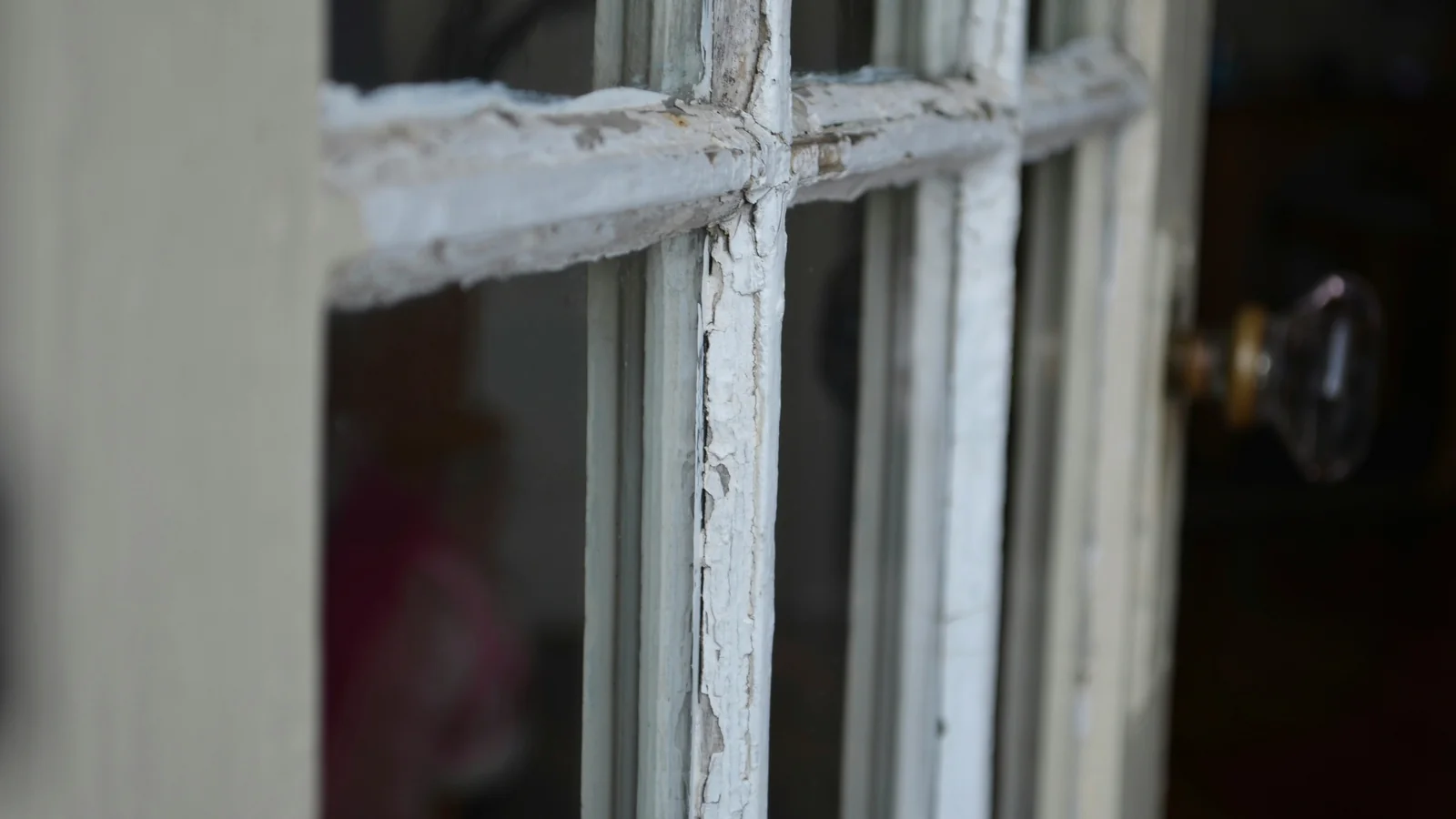
Walk around the flat and note windows, external doors, letterboxes, floorboard edges, service pipes, fireplaces and permanent vents. Look for visible damage, loose putty, missing seals or a door that does not meet its frame evenly. The goal is not to find every possible opening. It is to identify the gaps that create discomfort while leaving necessary ventilation working.
Older homes often have a mixture of original and later materials. A sash window may be valuable, a listed feature, or simply an older fitting that a landlord must maintain. A seal that suits one modern window may not suit another frame. Before applying adhesive strips, foam, filler or a brush seal, check the window type, the manufacturer’s advice where available and any restrictions in your tenancy or building.
Mark each issue as one of three kinds: an obvious repair, a temporary comfort measure, or a feature that needs professional advice. A loose door seal may be a straightforward maintenance task. A gap around a service penetration may involve building fabric or fire separation. An air vent may be required to manage moisture or support an appliance. If you cannot confidently tell which it is, leave it open and ask the landlord, managing agent or a suitable tradesperson.
Prioritise gaps that you can close safely
Begin with simple, reversible changes. A fabric draught excluder at the bottom of an internal door can reduce cold air moving between rooms. It is easy to remove and does not alter the frame. A thick curtain can reduce the feeling of a cold window in the evening, provided it does not cover a radiator in a way that traps heat or obstruct an opening window.
For a door that visibly leaks around its frame, inspect the existing seal before adding a second one. A worn strip may need repair or replacement rather than another layer placed on top. A seal that is too thick can stop the door latching, strain hinges or create a trip hazard if it catches the floor. Check the fit with the door closed and open it several times after any change.
Letterboxes can be a source of a noticeable current. A brush or flap designed for the specific letterbox may help, but check that post still passes without difficulty and that the fitting does not compromise the door. If the letterbox belongs to a communal entrance or a fire door, ask the responsible person before changing it. Fire doors and shared escape routes are not suitable places for improvised alterations.
Do not block trickle vents or extractor fans to make a room feel warmer. They are there to help manage air quality and moisture, and blocking them can worsen condensation. Some older rooms also rely on ventilation through chimneys or other openings. The right balance depends on the building and any appliances present. Reduce uncontrolled draughts while keeping the designed ventilation route clear.
Treat windows with care
Windows are a common source of discomfort because they combine moving parts, exposed surfaces and weather. Check whether the sash or casement closes fully and latches. Look for loose catches, damaged seals, cracked putty or a frame that has shifted. A draught may come from the meeting rail, the edge of a sash, the sill or the surrounding wall, so identify the point before adding a seal.
Temporary window film or removable secondary glazing can make a difference in some rooms, but it must be installed according to its instructions. Film can obscure a historic feature, interfere with opening, or leave residue. Secondary glazing changes the way a room looks and may need consent in a protected building. A temporary layer should not trap moisture against timber or conceal deterioration that needs repair.
If you rent, report broken locks, cracked glazing, loose frames or water ingress to the landlord rather than attempting a permanent repair. Take a clear photograph and note when the issue occurs. A landlord or managing agent can arrange a suitable inspection and confirm what changes are permitted. Keep communication factual: describe the gap, its location and the effect on the room.
Curtains are a useful comfort measure because they can be closed when the room is occupied and opened during the day. They do not repair a failed frame, but they may reduce the radiant chill from cold glass. Keep fabric clear of heaters, candles and other heat sources. If a curtain touches a damp window, it can hold moisture and become musty, so leave room for air to circulate.
Check doors, floors and fireplaces
A gap below an external door can create a stronger current than a small window leak. Inspect the threshold, door sweep and frame. A removable draught excluder can be a useful test; if it makes the door difficult to open or creates a trip point, remove it and choose another approach. A permanent door brush or threshold seal should match the door and preserve safe operation.
Floorboards in an older flat may have small gaps that move air from a void or another part of the building. Filling every gap with a general-purpose material can be inappropriate. It may affect the boards, hide a maintenance problem or change how the floor accommodates movement. If the gap is wide, worsening or associated with damp or pests, report it instead of filling it blindly. Rugs can make a floor feel warmer underfoot without altering the floor construction.
An open or unused fireplace can be a substantial source of air movement. A removable chimney balloon or chimney sheep is sometimes used when a fireplace is not in operation, but the chimney must remain safe and ventilated as required. Never block a flue connected to a working appliance, and do not seal a chimney permanently without understanding the building and appliance requirements. If you are unsure whether a flue is active, ask a qualified professional.
Keep moisture and ventilation in view
Reducing draughts can make a room more comfortable, but a warmer room is not automatically a healthier one. Everyday activities such as cooking, drying laundry and showering add moisture to indoor air. If moisture cannot escape, it may settle on cold surfaces and contribute to condensation or mould. A new seal can change air movement, so pay attention to the room after making an adjustment.
Use extractor fans and vents as intended. Open a window briefly when conditions allow, particularly after activities that create steam, but follow any advice specific to your building or appliance. Keep furniture slightly away from cold external walls when practical, so air can circulate. If condensation forms regularly, wipe it away and investigate the cause rather than covering the patch with paint.
Mould can have several causes, including leaks, cold surfaces and inadequate ventilation. A small surface patch may be manageable with suitable cleaning guidance, but recurrent or extensive mould needs a proper assessment. If anyone in the household has a health condition affected by mould or damp, seek professional help rather than relying on a generic home-maintenance article.
Choose the right type of help
Some issues are appropriate for a landlord or managing agent: loose windows, failed seals, damaged frames, water ingress and shared building defects. Provide a concise description and photographs. Ask what repair is planned and whether you should avoid using the window or heater in the meantime. Keep a dated record of reports and responses.
For a home you own, an experienced window repairer or surveyor can assess older frames and advise on compatible work. If the flat is listed or in a conservation area, check the relevant consent requirements before changing windows, adding external fittings or altering historic fabric. A small reversible measure is not a substitute for consent where it is required.
If a gas or solid-fuel appliance is present, do not alter vents, flues or door seals around it without expert advice. Combustion appliances need safe air supply and exhaust. Signs such as unusual fumes, soot, a damaged flue or symptoms that improve when you leave the room require prompt attention from an appropriate professional.
Run a small test before making it permanent
Choose one low-risk gap and try a reversible measure for several days. Note whether the room feels more comfortable, whether the door or window still operates normally, and whether condensation changes. Avoid changing several openings at once; otherwise you will not know which adjustment helped or caused a new issue.
At the end of the trial, keep the change only if it improves comfort without blocking ventilation or making the room harder to use. A portable excluder that works in winter may be removed in milder weather. A curtain may be enough for an evening chill, while a damaged frame needs a repair. The right answer is often a combination of small measures and one proper maintenance job.
Make comfort the test, not the amount of sealing
An old flat does not need to be airtight to feel better. Start with the actual source of discomfort, choose a measure that suits the opening and keep ventilation, moisture and safety in view. Use reversible changes where you can, and involve the landlord or a qualified professional when the building fabric, an appliance or a protected feature is involved.
After each change, return to the room under the conditions that first made it uncomfortable. If the cold feeling has moved rather than disappeared, investigate the next likely source. If damp or mould increases, stop and seek advice. Thoughtful draught reduction is a careful balance: fewer uncontrolled currents, sound ventilation and a home that remains comfortable to live in.