The jumper has changed shape
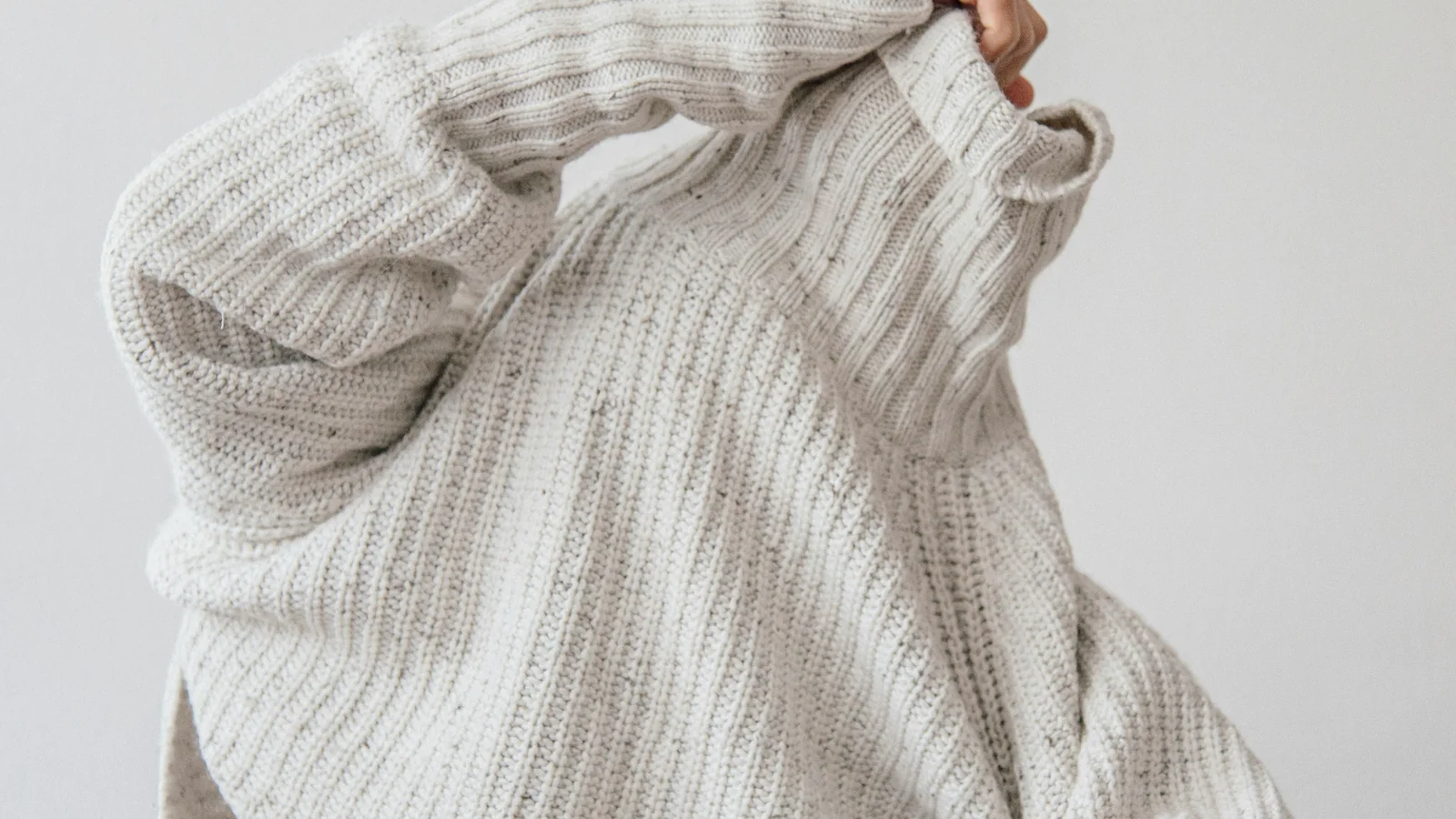
Knitwear can lose its shape gradually. A shoulder stretches while a jumper hangs, a cuff loosens through repeated wear, or a sleeve develops pills where it rubs against a desk. The change can feel sudden when you finally notice it, but most knitwear responds to many small stresses over time.
The fibre and construction determine what care a garment can tolerate. A fine merino layer, a chunky wool jumper, cotton knitwear and a synthetic blend may all need different treatment. Start with the care label and the maker’s instructions. If the label conflicts with general advice, follow the garment-specific guidance or ask a professional cleaner.
Before washing, look at the problem. Is the garment stained, odorous, stretched, pilled or simply worn once? Each calls for a different response. Washing every time you wear a jumper can shorten its life and use more energy, while ignoring a stain may make it harder to remove later.
Wash less, but deal with marks promptly
Knitwear worn over a base layer may need airing rather than a full wash after one use. Hang it over a chair or lay it flat in a dry, ventilated place for a short time. Avoid direct heat, which can distort some fibres or dry them unevenly. If the garment has absorbed odour or sweat, washing may be appropriate, but check the label and care directions first.
Treat a small spill while it is fresh. Blot gently with a clean cloth; rubbing can push the stain deeper or pull fibres. Use a cleaning method recommended for the garment’s fibre and colour. Test a hidden area if the instructions allow, and avoid home remedies that may bleach, felt or mark the yarn.
When a full wash is needed, sort by colour and fibre. Use the cycle and temperature on the label, a suitable detergent and the gentlest effective setting. Do not overload the machine; knitwear needs room to move. A mesh laundry bag can reduce snagging for delicate pieces if the care instructions permit machine washing.
Hand washing is not automatically safer. Hot water, aggressive agitation, soaking for too long or twisting the garment can cause felting or distortion. If hand washing is recommended, support the garment while moving it gently in cool or lukewarm water with a suitable detergent. Rinse carefully without pulling the fabric. Avoid wringing; press water out gently with a towel if the care advice permits.
Dry it with support
Many knitted garments become heavier when wet. Hanging a wet jumper by the shoulders can stretch the fabric and leave pointed bumps where the hanger sits. If the label says to dry flat, place it on a clean, dry towel or mesh rack and reshape it to its normal dimensions. Keep sleeves in a natural position and avoid pulling the cuffs or hem to make them longer.
Choose a ventilated place away from direct sun, radiators and hot-air vents. Heat can shrink or alter some fibres, while a damp, unventilated room may slow drying and create a musty smell. Turn the garment once it is partly dry if needed, using clean hands and gentle support.
Do not store a jumper until it is fully dry, including seams, cuffs and areas where layers overlap. Residual moisture can create odour and may attract pests. If you are drying several pieces, leave space between them so air can move. A portable rack can help, but make sure it is stable and does not block a walkway.
Fold heavy pieces instead of hanging them
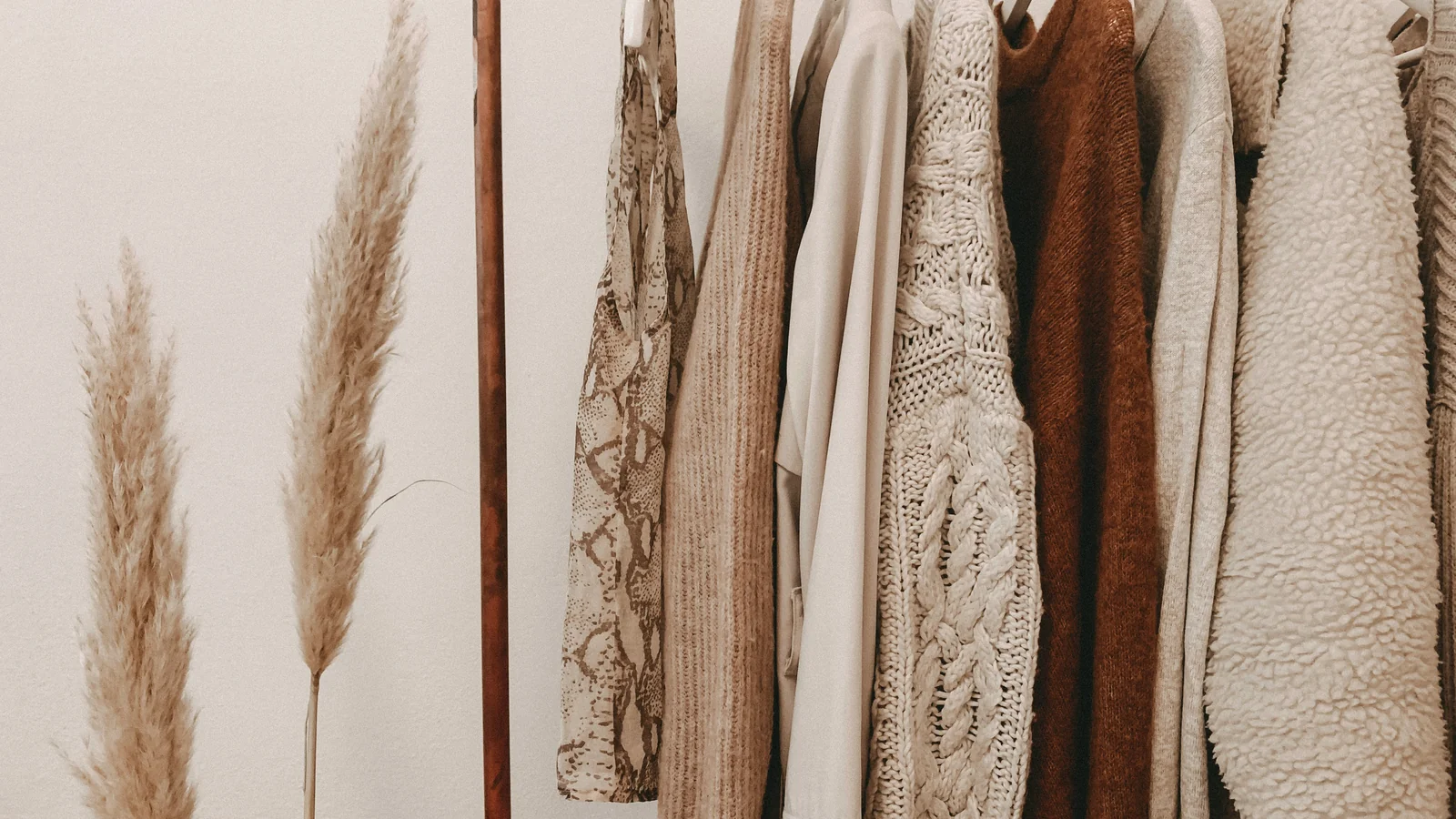
Knitwear is usually best stored folded, particularly if the garment is heavy or loosely knitted. A hanger places the weight on the shoulders and can stretch the fabric. Fold along natural seams and avoid making a very sharp crease in a delicate knit. If closet space is limited, stack a small number of jumpers so the pile remains stable and the bottom piece is still easy to reach.
Hanging can be appropriate for some fine, stable garments if the maker recommends it and a suitable padded or shaped hanger is used. Do not assume every knit needs the same storage method. Watch for stretching at the shoulder and change the method if the garment begins to distort.
Before putting seasonal knitwear away, clean it according to its label, dry it completely and repair loose buttons or small holes. Store it in a clean, dry place. Cedar, lavender or other deterrents do not replace regular inspection and cleaning, and their effectiveness varies. If you use storage bags, avoid trapping damp clothing or crushing delicate fibres for long periods.
Manage pilling without damaging the yarn
Pilling happens when short fibres tangle on the surface through friction. It is common around underarms, cuffs, sides and places where a bag rubs. Pilling does not always mean a garment is poor quality; fibre length, yarn, construction and wear all affect how it appears.
Remove pills with a tool designed for the garment, such as a knitwear comb or electric fabric shaver used carefully. Lay the item flat and test an inconspicuous area first. Keep the tool parallel to the surface and use light pressure. A blade, scissors or strong pull can cut the yarn and create a hole.
Some fibres respond better to gentle combing than shaving, and very loose knits can snag easily. Follow the tool instructions and stop if the fabric catches or thins. If a garment has delicate stitches or an expensive finish, a professional repairer may be safer than experimenting.
Repair snags and loose threads carefully
A small snag can often be drawn to the inside with a blunt tool or a knitwear repair needle, but do not cut the protruding yarn. Cutting can leave a hole that grows with wear. Work the loop back through nearby stitches without pulling the fabric tight. If the yarn is broken or the opening is widening, a visible mend may be needed.
Loose buttons are easier to repair before they fall off. Keep spare buttons with the garment or in a small sewing kit. Match the thread and secure the button without pulling the knit into a pucker. For a loose seam, gently check whether the seam allowance is intact; a larger split or damaged knit may need a specialist repair.
Learn a simple darning stitch if you enjoy handwork, or find a local repair service for pieces you value. A repair does not need to be invisible to be useful. A neat patch or contrasting mend can stabilise the fabric and extend the garment’s use, but the method should suit the knit and the area under strain.
Reduce the friction that causes wear
The way you wear a jumper affects how quickly it pills. A shoulder bag can rub the same area each day; a desk edge can wear the cuffs; a coat that is tight over a thick knit can compress fibres. You do not need to avoid normal use, but rotating garments can give them time to rest and let moisture leave.
Check sleeves and underarms after a long day. If a garment is damp from rain or perspiration, air it before folding. Brush off surface dirt with a soft clothing brush when appropriate. Regularly washing to remove a small amount of dust may cause more wear than a quick, gentle brush.
Layering can protect a fine jumper, but the base layer should feel comfortable and allow movement. If a knit catches on jewellery, zips or rough bag straps, remove the snagging source before it becomes a repeated issue. Small changes to how you carry a bag or sit at a desk can make a noticeable difference over time.
A simple rotation and care routine
Keep a few knitwear pieces in active rotation rather than wearing the same jumper every day. This lets garments air and reduces concentrated friction. At the end of the day, check for food marks, dampness or loose threads. Air the piece if it is still fresh; treat a stain or repair a loose button before storing it.
At the end of a season, inspect cuffs, elbows and seams. Remove pills gently, repair small damage and wash according to the care label before storage. Write down any piece that needs specialist attention so it does not disappear to the bottom of a drawer for another year.
If you are unsure whether a knit can be washed at home, check the garment label and ask a qualified cleaner. Some fibres, dyes and finishes need professional care. A generic internet tip cannot account for the exact yarn, construction or treatment.
Keep the garment in use
Good knitwear care is mostly gentle handling and early attention. Read the label, wash only when needed, dry with support, store heavy pieces folded and fix small problems before they grow. Avoid harsh heat and aggressive friction, and use a tool made for the job when removing pills.
Not every jumper will last forever. Fibres wear, fit changes and preferences move on. But a simple routine can help a favourite knit remain comfortable for longer, while giving you time to make a considered decision about repair, donation or replacement instead of reacting to damage at the last minute.