Start with the care you will actually do
An everyday garment earns its place when it feels comfortable and fits the way you live. Fabric affects both, but a fibre name alone cannot tell you whether a shirt will crease badly, whether a jumper can be washed at home or whether trousers will feel comfortable on a long commute. The weave, finish, weight, cut and care label all matter.
Before shopping, think about the task. Do you need a shirt that can be worn under a coat, trousers that survive sitting at a desk, a layer that dries quickly after a walk, or knitwear that will not demand a special wash each week? A low-maintenance fabric is not the same for every person. Someone with a steamer and space to dry clothes may accept a different routine from someone in a small flat using a shared laundry room.
Look at the garments you already choose. Read their labels and notice what you wash, iron, mend or avoid. If a favourite cotton shirt feels comfortable but needs frequent pressing, perhaps the issue is its weave or finish. If a wool jumper is warm but always stays in the laundry basket, the care requirement may not fit your routine. These observations are more useful than a universal list of “best” fabrics.
Read the whole label, not just the fibre name
Fibre content describes what a garment is made from, but it does not fully describe how it behaves. A cotton poplin shirt, cotton jersey T-shirt and brushed cotton overshirt feel and care differently despite sharing the same main fibre. The thread, knit or weave, weight and finishing determine much of the everyday experience.
Care symbols and written instructions are the best starting point. Check washing temperature, whether the item can be tumble-dried, how it should be ironed and whether it needs flat drying. If the label says “dry clean”, decide whether you are willing to follow that instruction before buying. A low price can become an expensive routine if cleaning is frequent or inconvenient.
Composition percentages also matter. A blend may improve stretch, reduce creasing or change how a garment dries, but the result depends on the materials and construction. Do not assume that a small percentage of elastane guarantees shape retention or that a synthetic blend will always be easier to care for. Compare the actual garment and its label.
Cotton: familiar, but not one uniform fabric
Cotton is common in shirts, T-shirts, denim and bedding because it can feel comfortable against the skin and is available in many weights and finishes. A light cotton poplin may feel crisp and work under a jacket; a jersey knit stretches more easily; a heavier twill may hold a trouser shape. The fibre name does not tell you which one you are touching.
For low-maintenance clothing, check whether the garment’s shape and finish suit the way you plan to wear it. A T-shirt that needs no ironing may be easier than a crisp shirt, even if both are cotton. A textured or washed finish can make small creases less noticeable. If you prefer a smooth finish, you may need to accept more pressing.
Cotton can shrink or lose shape if washed or dried outside the garment’s instructions. Turn printed items inside out when appropriate, avoid overloading a machine and dry according to the label. A garment that can be line dried may fit a routine better than one that needs a tumble dryer, especially if energy use or space matters.
Linen and linen blends: texture with a crease trade-off
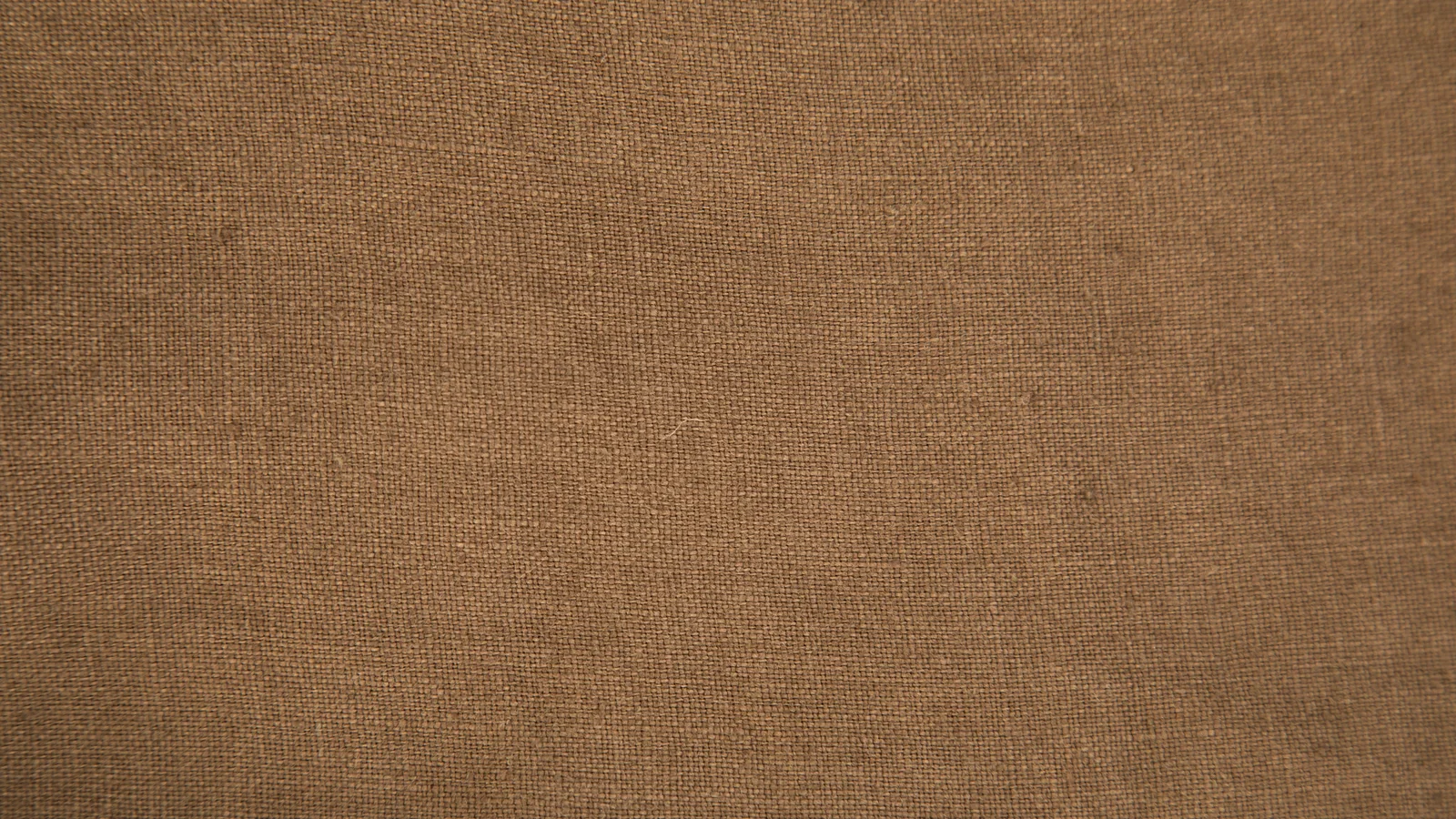
Linen is often chosen for warm-weather clothing because it feels airy and has a distinctive texture. It creases more visibly than many smooth fabrics. Some people enjoy that relaxed appearance; others find it looks untidy after sitting or travelling. A linen blend may change the drape and crease behaviour, but check the label and the garment rather than assuming it will behave like pure linen.
Think about where you will wear the piece. A loose linen shirt can work well for a day where a relaxed finish is acceptable. A formal setting that expects a crisp appearance may require more pressing. If you travel with linen, hang it after unpacking and use the care method the maker recommends. Do not buy it simply because it is labelled breathable if you dislike its natural creasing.
Construction matters here too. A lightweight, loosely woven linen may feel very different from a heavier, more structured linen trouser. Seams, pocket placement and lining affect comfort as much as fibre. Try sitting, bending and walking in the garment before deciding that the fabric itself is wrong.
Wool and knitwear: warmth depends on care
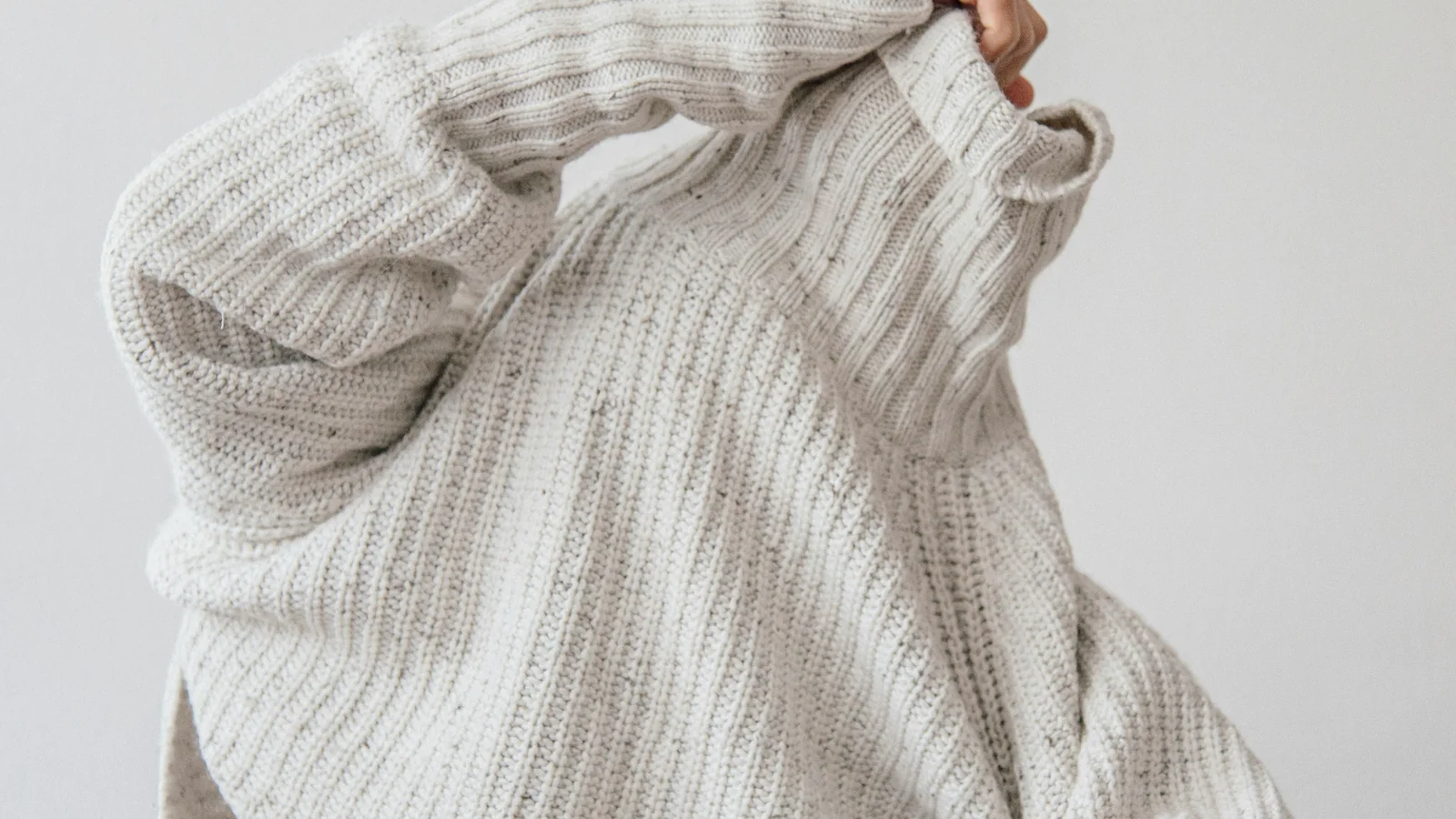
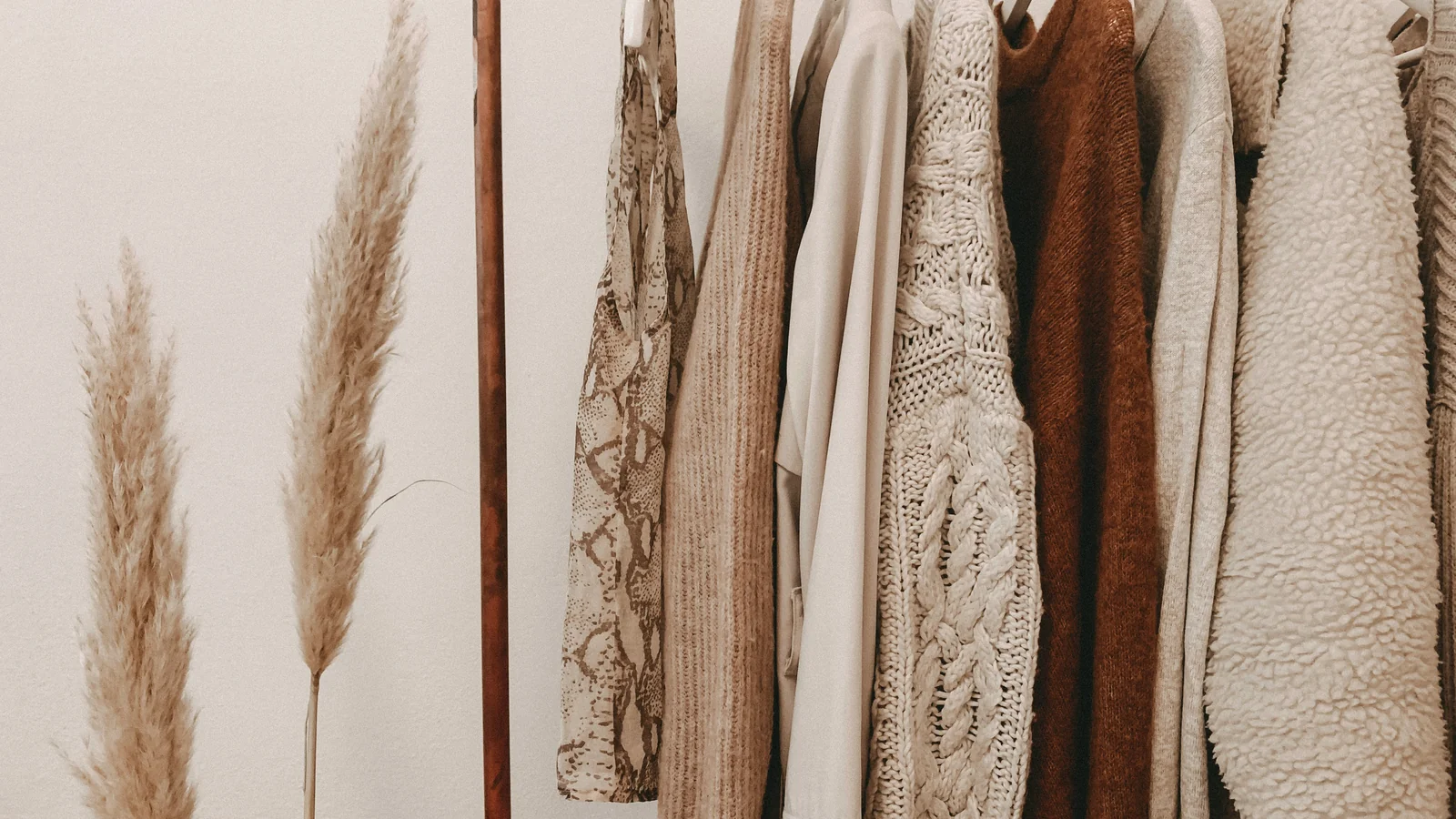
Wool garments can offer warmth across a range of weights, from fine layers to substantial jumpers. Wool blends vary, and a garment’s knit, thickness and cut affect how warm it feels. Some pieces can be machine washed on a suitable programme; others require hand washing or professional care. Read the label before assuming a wool item needs the same routine as another.
Knitwear also needs storage that supports its shape. Heavy jumpers can stretch when hung, so folding them on a shelf is often a better option. If a garment pills, use a suitable fabric comb or shaver gently and test a less visible area first. Pulling pills by hand can damage the yarn.
Choose wool if the warmth and feel suit you and the care label fits your life. A beautiful jumper that you never wear because it feels scratchy or requires constant attention is not a useful everyday choice. Try it against your skin and over the base layer you expect to wear.
Denim and durable woven fabrics
Denim is a cotton twill that can be practical for regular wear, but weight, stretch, dye and finish vary. A rigid pair may soften over time but can feel restrictive at first. Stretch denim may feel comfortable immediately but can change shape with wear. Try the garment through the movements of your day rather than judging it only while standing.
Many people wash denim less often than a T-shirt, but there is no single schedule that suits every garment or wearer. Follow the label and wash when it needs cleaning. Turn it inside out where appropriate, use a similar colour load and avoid heat that may shrink or fade it. If a pair fits well but has a worn hem or loose button, a small repair may extend its use.
Other woven fabrics such as canvas and twill can be useful for jackets, bags and workwear-inspired trousers. Their durability depends on yarn, construction and finishing. Check stress points like pockets and seams, particularly if you carry tools, a phone or keys in the garment.
Synthetics and blends: useful functions, different feel
Polyester, nylon and elastane appear in sportswear, rain layers, trousers and blended everyday clothes. These fibres can add stretch, change drying speed or help a garment keep a shape, but they do not guarantee comfort. A lining may feel clammy, a close fit may hold heat and a fabric may retain odour more than you expect.
Look for the specific function you need. A small stretch component can make a work trouser more comfortable when seated. A synthetic outer layer may help shed light rain, but the garment’s construction and care instructions determine how it performs. Do not confuse a water-resistant finish with a waterproof garment; check the maker’s claims and the seams.
Some synthetic fabrics can release microfibres during washing. If this is a concern, follow care guidance, avoid unnecessary washing and consider a laundry filter or bag designed for that purpose. Claims and available solutions vary, so do not rely on a single product as a complete answer. Choosing clothes you will wear and care for longer can also reduce unnecessary replacement.
Construction often matters more than fibre
Inspect seams, hems, buttons, zips and pockets. A well-made garment in an ordinary fabric may be easier to maintain than a poorly finished item in a premium fibre. Check that stitches are secure and evenly placed. Test zips several times. Look at whether spare buttons are included and whether a small tear could be repaired without changing the garment’s shape.
Fit changes maintenance too. A shirt that pulls across the back may strain its seams. Trousers that drag on the ground collect dirt and wear through faster. A coat that is too tight may be uncomfortable over the layers you need. Try garments with the clothes and shoes you expect to wear with them.
Care labels are not an afterthought. If a garment requires a method you cannot realistically provide, choose another option. A hand-wash-only top may be manageable if you own only one, but less so if your weekly laundry is already difficult. Make the care routine part of the buying decision.
A simple way to compare two garments
When choosing between options, write down the three tasks the garment must perform. For example: feel comfortable on a long train journey, work under a raincoat and wash at home. Then check each item against those tasks. Try it on, read the label, examine the seams and ask how it will dry.
Wear the garment around the shop or at home if returns allow. Sit, reach and walk. Check whether a collar rubs, a sleeve twists or a waistband shifts. If you cannot try it, compare measurements with a garment you already own that fits well. Use the seller’s return terms to understand what you can do if the fabric feels different from the description.
Avoid using the fibre content as a status marker. Cotton, linen, wool and synthetics all have roles, and blends can be practical. The best everyday fabric is the one that meets the task, feels good on your body and fits your care routine. Compare garment to garment rather than treating a fibre as a complete verdict.
Buy fewer items that fit your routine
A low-maintenance wardrobe is built from clothes you enjoy wearing and can care for without resentment. Keep the pieces that work, repair them when sensible and replace only the role that is genuinely missing. The label, construction and your own routine together provide a clearer answer than a trend or a universal fabric ranking.
Before buying, ask three questions: will I wear it in my real week, can I care for it as instructed and does it work with the layers I already own? If any answer is uncertain, wait and compare another option. Choosing fabric thoughtfully is not about avoiding all wrinkles or wear. It is about understanding what a garment asks of you before you bring it home.