Choose for the journey before the dress code
The best commuting shoe has to work before you reach the office. It meets wet pavements, stairs, crowded trains, a walk to the station and a full day at a desk. A shoe that looks smart in a mirror may feel wrong after a kilometre, while a comfortable trainer may be too casual for a client meeting.
Start by writing down the parts of your commute. How far do you walk? Do you cycle, drive or stand on public transport? Does the route include polished floors, gravel, cobbles or steep steps? Do you change shoes at work? These details matter more than a broad claim that one style is always more comfortable or professional.
Trainers and leather shoes overlap more than they used to. A clean, simple trainer can look smart with tailored trousers; a plain leather shoe can feel relaxed with jeans. But materials, construction and silhouette vary. Compare the actual pair you would wear, not an abstract category.
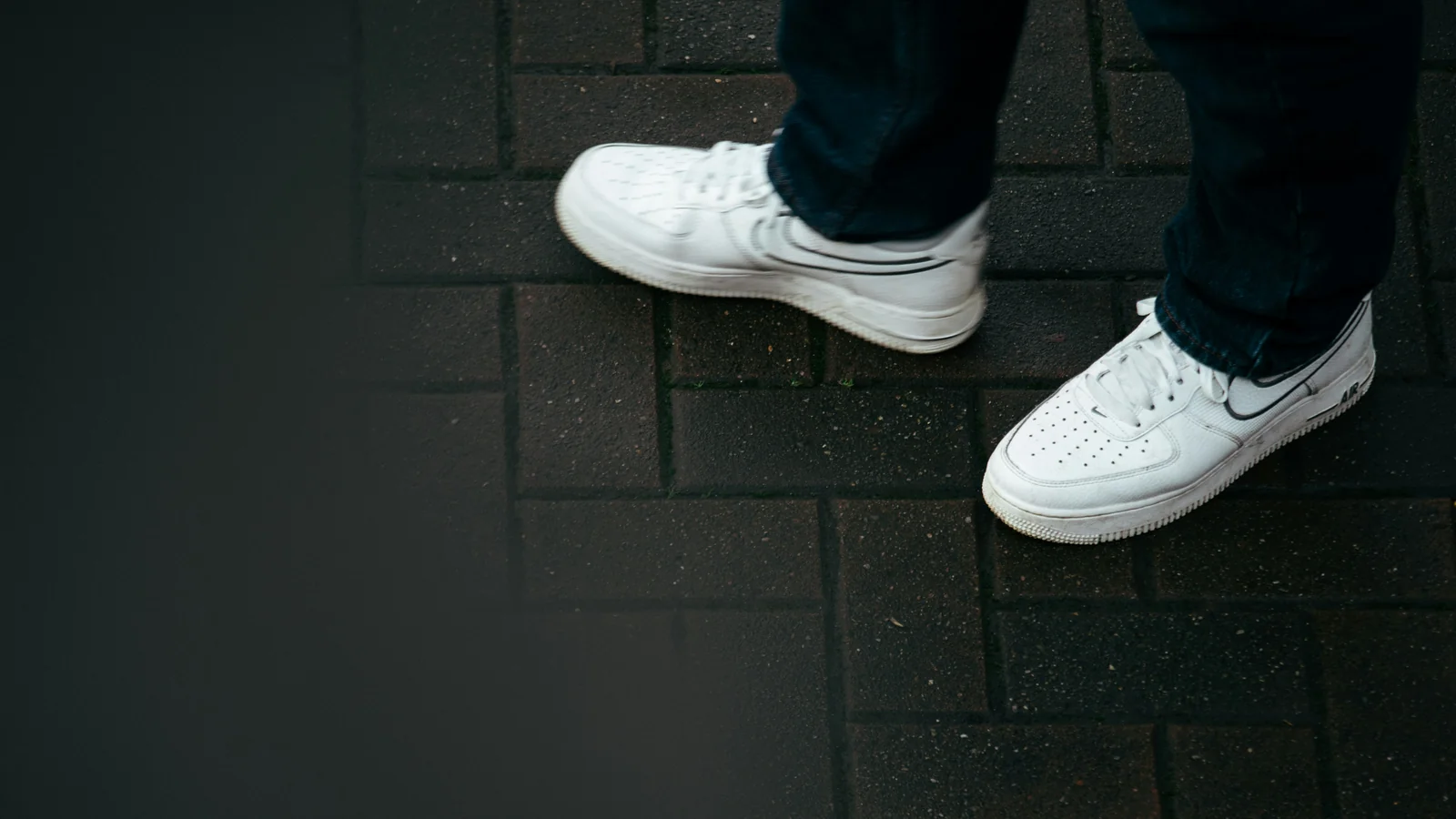
How trainers fit into a workday
Trainers can be a practical choice when a commute includes substantial walking or when you move between several locations. A flexible sole, padded collar and lighter upper may feel comfortable, but those details differ by model. Look at the sole shape, heel hold and width. Do not assume that a running shoe will suit everyday commuting; its cushioning and profile may be designed for a different activity.
The upper material changes how trainers behave in weather and how they are cleaned. Canvas can be light but may become wet and dirty easily. Mesh can feel breathable but may be harder to wipe down. Leather or coated synthetic uppers can be easier to clean, although seams and lining can still let moisture in. Check the maker’s care instructions before applying sprays or cleaners.
Trainers are often easier to pair with casual clothing than with formal dress. A minimal colour and uncluttered shape can work with chinos or relaxed tailoring, while technical details, bright accents and thick soles may read as sportswear. If your workplace has a dress code, review it and consider what colleagues in similar roles wear. The term “smart casual” is interpreted differently from one office to another.
If you do a long walk in the same shoes you wear at work, look for comfort over the whole route. Try the shoes at the end of the day when your feet may feel different from early morning. Check toe room while standing, heel movement while walking and whether the upper rubs when the foot bends. A shoe that feels comfortable for a minute in a shop may behave differently after an hour.
Where leather shoes have an advantage
Leather shoes can create a more formal finish and may be easier to pair with tailored clothing. A plain derby, loafer or simple lace-up can move from the commute to a meeting without looking sporty. The material can also be cleaned and conditioned, and some constructions can be repaired. Repairability depends on the sole, stitching and maker; not every leather shoe is designed to be resoled.
Leather requires care. Water, grit and road salt can mark the surface, and a wet pair should dry naturally away from direct heat. Follow the manufacturer’s guidance for cleaning and conditioning. A shoe tree may help some leather shoes retain shape between wears, but it is an extra object to store and not a substitute for drying the shoe.
Construction and fit still matter more than the word leather. A stiff upper, narrow toe box or hard sole can make a long commute uncomfortable. Different leather finishes have different maintenance needs, and leather-lined shoes may feel different from those with synthetic linings. Try the pair with the socks you expect to wear and walk on a similar surface if possible.
Leather shoes may be a poor match for a route that regularly involves heavy rain or a workplace where shoes are likely to be scuffed. A polished pair can also feel out of place in an informal office. Do not choose them only because they look like the conventional answer to workwear.
Compare the whole cost of care
The purchase price is only one part of the decision. Trainers may need more frequent replacement if the sole compresses, the upper splits or the shape loses support. Leather shoes may last longer when cared for and repaired, but repair costs, specialist cleaning and time also count. Compare the specific products, not broad assumptions about either category.
Look at the sole-to-upper construction, stitching, material information and availability of replacement parts. A glued construction may be difficult to repair once the sole separates. Some trainers have replaceable insoles but not soles. A resoleable leather shoe may be repairable, but only if the maker or a local repairer can work on that design. Verify those details before treating durability as a selling point.
Maintenance should fit your week. If you will not polish shoes regularly, choose a finish that can be wiped clean and accept that scuffs may remain. If you machine wash trainers, check the manufacturer’s instructions; some pairs may be damaged by a washing machine or dryer. A small cleaning brush and a place for wet footwear can help whichever style you choose.
Weather, grip and the route underfoot
Rain does not affect all trainers or leather shoes equally. A waterproof membrane can reduce water entry but may feel warmer and can change how the shoe breathes. A leather upper can shed a light shower if properly maintained, but seams and openings still matter. Neither category should be treated as fully waterproof without a specific product claim.
Grip depends on the outsole pattern and rubber compound, not simply on whether the shoe is a trainer or a leather style. Smooth leather soles may be less reassuring on wet tiles or leaves than a textured rubber sole. Some leather shoes use rubber outsoles, while many trainers have relatively smooth soles. Look at the tread and think about the surfaces you cross.
If the commute includes steep or slippery steps, prioritise a secure fit and a sole that suits that route. If it involves cycling, consider pedal grip and whether a wide sole catches on the crank or frame. If you change shoes at work, commuting shoes can be selected for weather and walking, while a second pair handles the dress code. This adds a bag and storage task, so it is not ideal for everyone.
A practical test before buying
Try the shoes later in the day if possible and wear your usual socks. Walk, turn and climb a step. Notice whether your heel lifts, the toe area presses or the sole flexes at a comfortable point. If you use orthotics, confirm they fit without crowding the shoe. Do not rely on a label such as “wide” without checking the actual shape.
If ordering online, read the return policy before wearing the shoes outside. Check whether return shipping is paid, whether the product must remain unworn and how sizing exchanges work. Compare the seller’s size guide with measurements from a pair you already find comfortable, but treat those measurements as a starting point rather than a guarantee.
Wear a candidate pair indoors for a short period if the return terms allow it. A brief trial can reveal hot spots before a full commute. If discomfort appears immediately, do not assume the shoe will stretch into a better fit. Some materials soften, but a poor shape or pressure point may remain.
Pick the option that matches your most common day
Choose trainers if your commute involves long walks, your workplace accepts them and you value flexibility. Look for a restrained design if you need it to work with smart-casual clothes. Check the material and sole rather than assuming every trainer is light, breathable or grippy.
Choose leather shoes if your work clothes call for a more formal finish and the commute is manageable in that shoe. Look for a comfortable fit, a sole suitable for your route and a care routine you will maintain. If the walk is long, consider a separate commuting pair and work pair.
A hybrid may be the most useful choice: a clean leather trainer, a plain rubber-soled leather shoe or a comfortable pair of trainers kept with a change of shoes at work. The right combination depends on your route, weather and dress code. A thoughtful purchase should make the everyday journey easier without creating a new problem in the office or on the walk home.
Keep a wet-day plan
If your commute is regularly wet, decide where damp shoes will go when you arrive. A ventilated place to dry them is better than leaving them in a closed locker or beside a radiator. Direct heat can damage some materials and adhesives, so follow the manufacturer’s care directions and allow time for natural drying.
You may prefer a second pair for the worst weather, but only if it solves a repeated problem. A spare shoe adds weight to a bag and needs somewhere to stay at work. A removable insole can make it easier to air a pair, but check that it fits securely and does not alter the shoe’s support. Keep spare socks at the office if wet feet are the main issue; that may be simpler than replacing shoes.
For either style, clear dirt from the sole before it dries into the tread. Brush or wipe the upper using a method suitable for its material. Avoid applying waterproofing products without checking the care label; a treatment designed for suede may not suit smooth leather or a technical membrane. Small habits keep commuting footwear more comfortable without turning shoe care into a weekend project.