Start with one colour family
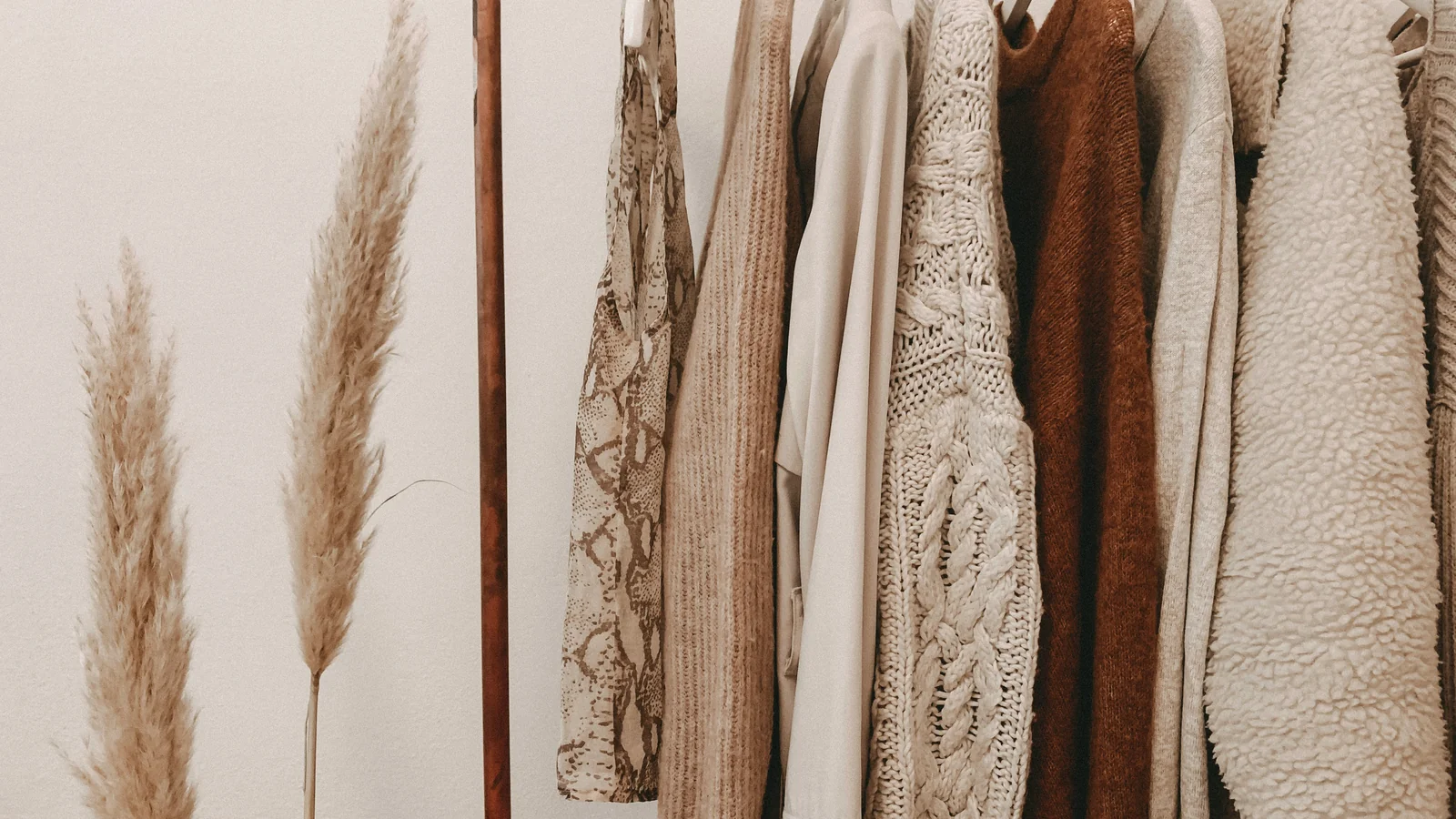
A monochrome outfit does not require every item to be the exact same shade. It means the look is built mainly from one colour family, with enough variation to create shape and interest. Black with charcoal, cream with oatmeal and navy with faded blue can all read as monochrome when the relationship between the pieces feels deliberate.
Choose the colour family by considering what you already wear. A wardrobe is easier to use when the new idea works with existing shoes, coats and bags. If your everyday clothes are mostly black, a tonal outfit may be built from ink, charcoal, washed black and a soft grey. If you prefer neutrals, cream, stone, taupe and warm brown can create a quieter result.
Begin with one anchor piece. It might be a coat, a pair of trousers, a knit or a dress. Build around it instead of choosing five new items at once. The anchor determines the temperature and depth of the colour, while the remaining pieces provide texture, proportion and practical balance.
Use tonal contrast
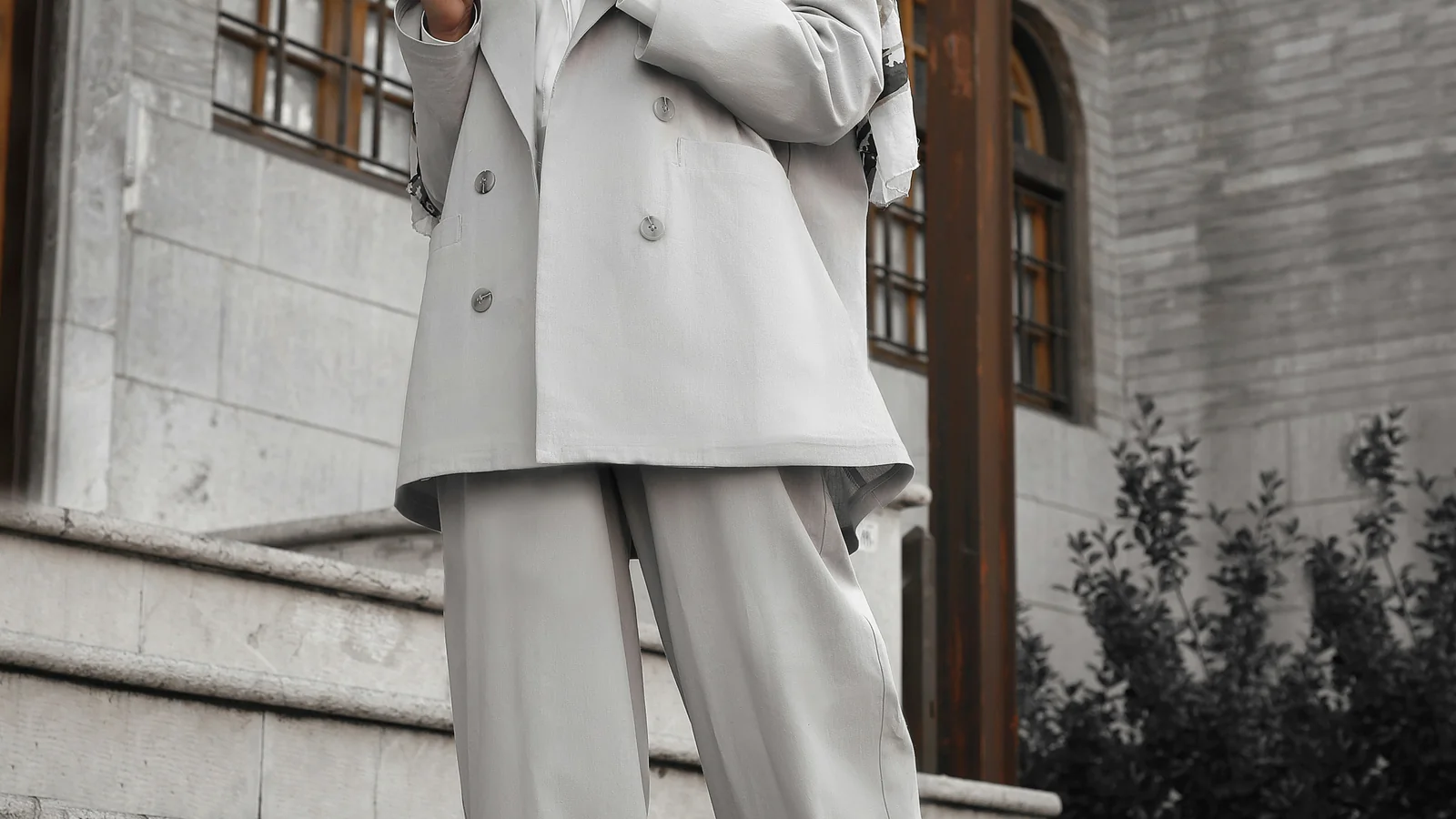
An outfit in one colour family needs changes in lightness. Pairing a pale top with a mid-tone bottom and a darker shoe creates a visual path through the outfit. An all-black look can use washed denim, a dense knit and polished leather to prevent the silhouette from disappearing.
Lay the pieces next to one another in daylight. Indoor lighting can make shades that are clearly different in a shop look identical at home. You do not need a perfect match; you need enough separation that the layers remain visible.
Contrast can be subtle. A cream shirt under an ecru jumper may be separated by a collar, cuff or shadow. A navy coat over a blue-grey knit can work because the materials absorb light differently. The eye notices the difference through movement, not only through colour.
If the look feels too pale or too dark, add one grounding element. A dark shoe, belt or bag can give a light outfit a base. A soft cream scarf or pale sock can lift a dark outfit without introducing a completely new colour family.
Let texture do the work
Texture is the main reason a monochrome outfit can feel rich rather than flat. Combine materials that catch light in different ways: brushed wool, cotton poplin, fine knit, corduroy, suede, denim, leather or a smooth technical fabric. You do not need many textures. Two or three clear changes are often enough.
Think about the scale of the texture. A large ribbed jumper has a stronger visual pattern than a fine merino knit. A nubby wool coat can dominate a small outfit, while a smooth shirt provides calm underneath it. Balance a statement texture with simpler surfaces.
Texture should also suit the weather. A delicate silk layer may be beautiful but impractical under a wet coat. A linen shirt can work in warm weather but may need a knitted layer when the temperature drops. Style is easier when each piece can tolerate the day you are actually having.
Use accessories to add a small change in surface. A knitted scarf, woven belt or matte metal watch can make a simple outfit feel considered. Avoid adding texture everywhere at once. If the coat, jumper, trousers and bag are all visually loud, the colour family will no longer provide calm.
Balance proportions
Monochrome can make a silhouette look longer, which is useful but can also make the outfit feel like one uninterrupted column. Break the line through proportion. Try a shorter jacket over wide trousers, a long coat over a narrow base, or a half-tucked shirt under a structured knit.
Look at the relationship between top and bottom rather than chasing a fixed rule. A voluminous jumper may need a cleaner trouser shape, while relaxed trousers can work with a closer-fitting top. The best combination depends on the fabric, the length and how you move.
Use the mirror from a distance. Close-up checks show colour and fabric, but an outfit is experienced as a whole shape. Take a quick photograph if that helps you see whether the hem, sleeve and shoe create a clear balance. A photograph is a tool for noticing proportion, not a demand to dress for the camera.
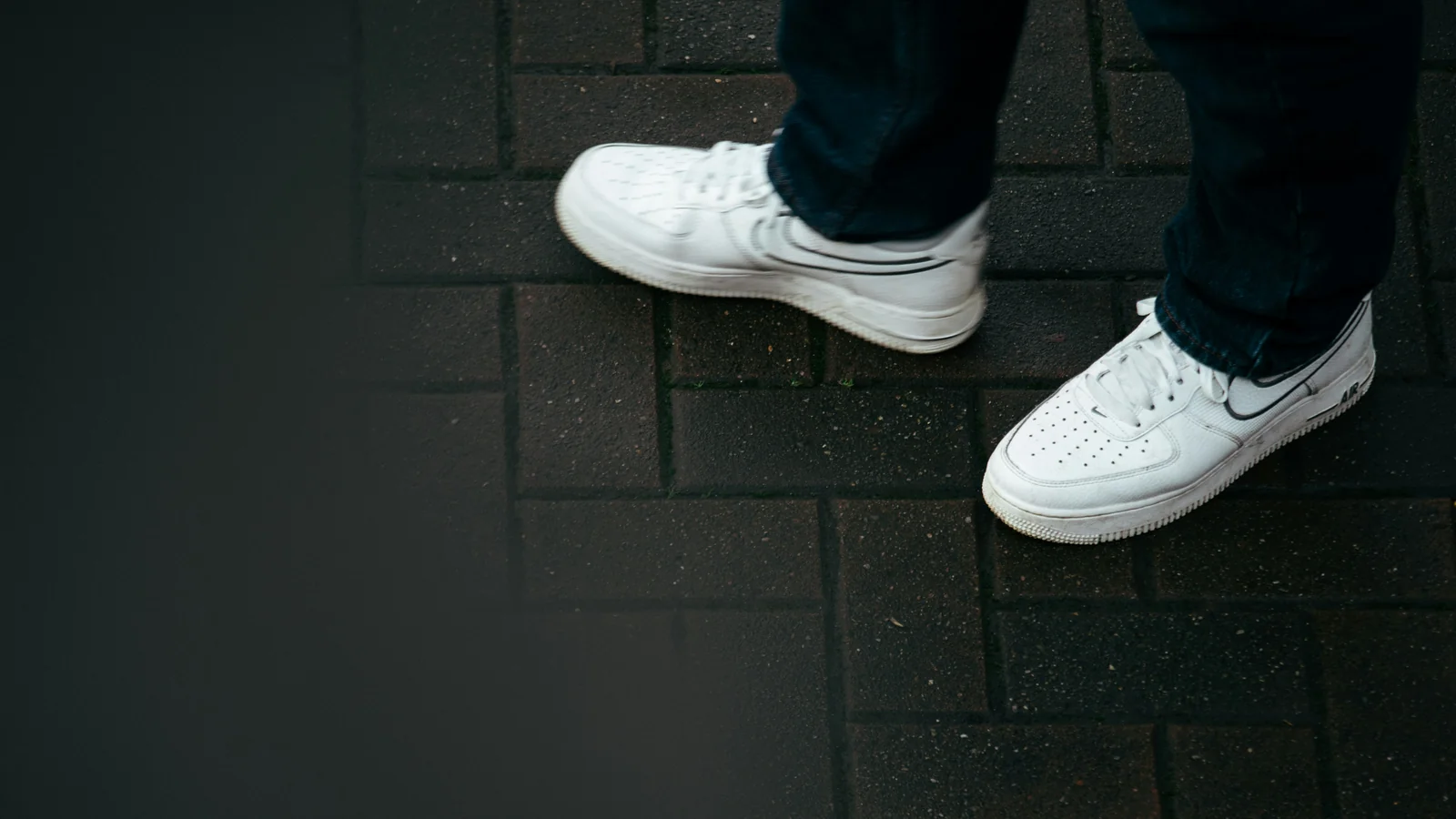
Shoes can change the weight of the look. A fine trainer keeps a tonal outfit light, while a substantial boot gives it a stronger base. Match the shoe to the width and length of the trousers. If a wide trouser hem nearly covers a delicate shoe, the lower half can look accidental.
Add one deliberate interruption
A monochrome outfit can include a small contrast without losing its focus. Consider a watch strap, a lipstick, a patterned sock, a metal finish or a bag in a closely related shade. The interruption should look chosen rather than like an item that happened to be nearest the door.
The colour does not need to be bright. A muted red with brown, a pale blue with navy or a warm tan with cream can provide enough separation. If the outfit already contains several tones, keep the interruption small so the main colour family remains clear.
Patterns can work when they stay within the palette. A pinstripe, herringbone or subtle check gives the eye a little movement without introducing a new visual story. Match the scale of the pattern to the rest of the outfit. A bold pattern may become the anchor and require simpler surrounding pieces.
Use layers for British weather
Everyday British weather rewards a flexible base. Build the outfit so you can remove a layer indoors and put it back on outside. A shirt under a fine knit, a cardigan under a coat or a lightweight jacket under a waterproof shell can keep the colour story intact as the day changes.
Keep the outer layer close to the colour family when possible. A black raincoat over a charcoal outfit is straightforward, while a bright waterproof may become the main event. That is not wrong, but it changes the purpose of the outfit. Decide whether the coat is meant to disappear into the look or provide contrast.
Choose a bag that can carry the layers you remove. A small cross-body may be elegant but impractical if you need to store a jumper. A larger tote or backpack can work with a monochrome outfit when its shape and material feel intentional. The practical object should be part of the styling decision.
Weather can also be a reason to mix finishes. A smooth water-resistant coat against a soft wool knit creates visual contrast and helps the outfit perform. Look for pieces that can be dried and cared for easily. Do not sacrifice comfort to maintain a colour match.
Build from what you own
Empty the wardrobe enough to see the real options. Choose one colour family and pull out pieces that could belong to it. Include shoes, coats and accessories. You may discover that you already have a workable outfit but have been treating the items as separate categories.
Make three combinations: one for a normal day, one for a smarter setting and one for poor weather. Take notes on what is missing. Perhaps you need a lighter layer, a shoe that works with wide trousers or a bag large enough for your coat. This is more useful than buying a new outfit without understanding the gap.
Check care requirements. A monochrome wardrobe becomes difficult when every item needs a different washing method or the colours fade unevenly. Follow garment labels and wash darks and lights carefully. A faded black can still be attractive, but it needs to look like a choice rather than an accident.
For a broader approach to unpredictable UK dressing, combine this method with How to Build a Capsule Wardrobe for Unpredictable UK Weather. The aim is not to own fewer items for its own sake; it is to make more combinations feel available.
Avoid the most common problems
The first problem is matching too precisely. When every item is the same shade and finish, the outfit can look like a uniform without the clarity of one. Add a material change or a lighter and darker tone.
The second is relying on black to solve everything. Black can be elegant, but an all-black outfit still needs shape and texture. A black jersey top, black leggings and a black sweatshirt may read as one soft block. Add structure through a coat, a trouser crease, a textured knit or a different shoe.
The third is ignoring comfort. If the fabric scratches, the shoes pinch or the coat is too warm, you will not wear the outfit with confidence. A convincing style idea has to survive sitting, walking, commuting and carrying the things you need.
The fourth is adding too many accessories to create interest. Start with one change in texture, one change in proportion and one small interruption. Edit from there. Monochrome works because it gives the eye a clear theme; protect that clarity.
Make the outfit repeatable
The value of a monochrome outfit is that it can become a dependable formula. Once you know the colour family, proportions and textures that work, you can repeat the structure with different pieces. A charcoal knit and dark trouser combination may lead to a navy version, then a brown version, without becoming identical.
Write down the combinations that feel easiest. Note the weather, activity and layers. This turns style from a daily performance into a small library of decisions. You can still experiment, but you have a reliable base when time is short.
Monochrome dressing is not about removing personality. It gives personality somewhere specific to appear: in the cut of a coat, the grain of leather, the softness of a knit, the way a sleeve is rolled or the confidence of a colour you enjoy. Use tonal contrast and texture to give the outfit depth, then let the rest of the day do the talking.